Experiential Design
Experiential design sits at the intersection of environment, storytelling, and human interaction. Thoughtful spatial design has the power to shape how people move through a space, how they interpret a brand, and how they remember an experience long after they leave.
Throughout my career, I have been drawn to projects that transform physical environments into engaging experiences. Whether collaborating with architects on interior environments, designing signage systems for retail spaces, or developing branded installations for large venues, my approach always centers on the user.
By considering how people navigate, observe, and interact with a space, experiential design becomes more than decoration. It becomes a strategic tool for communication, engagement, and connection within the community.
Interior Design & Decor
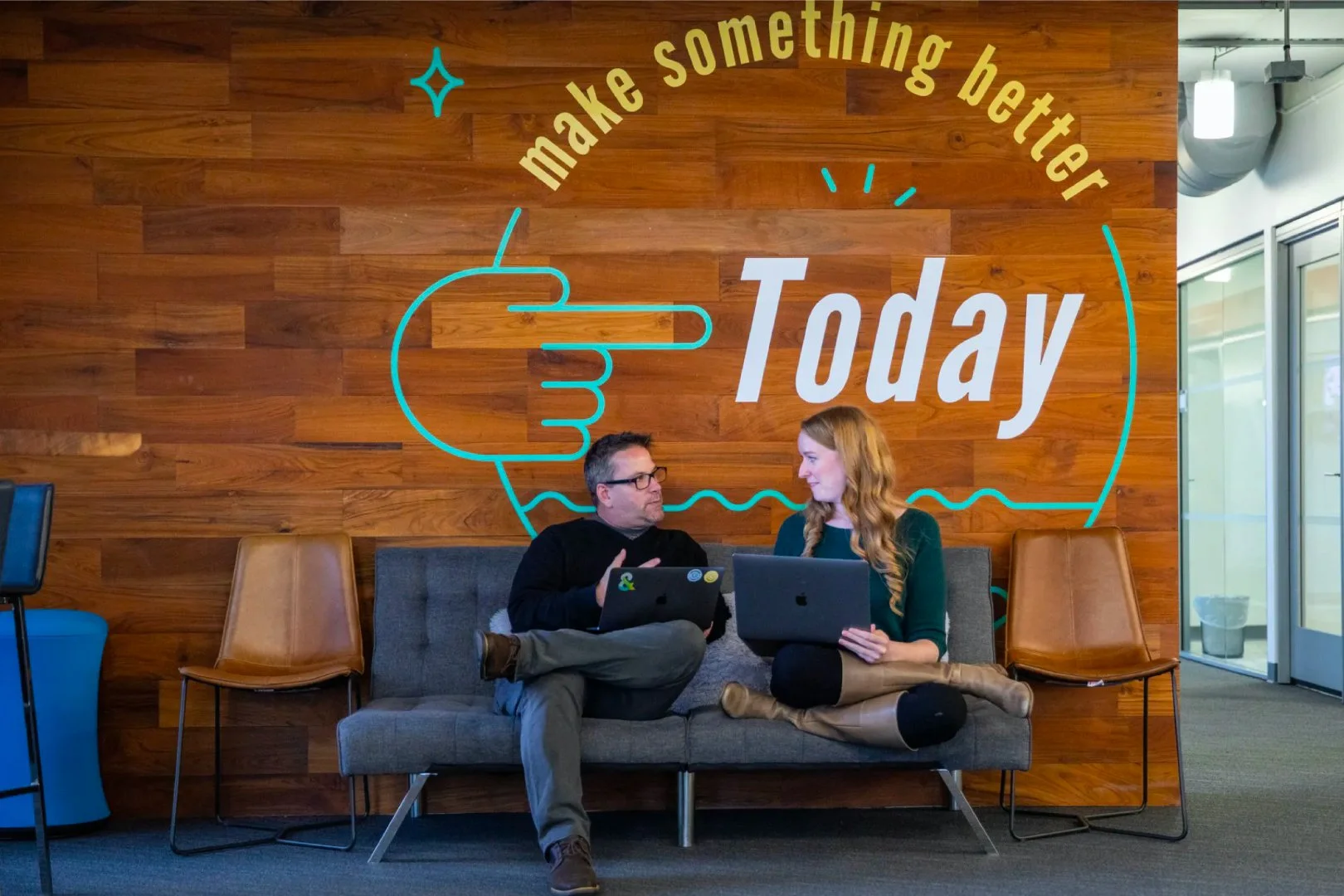
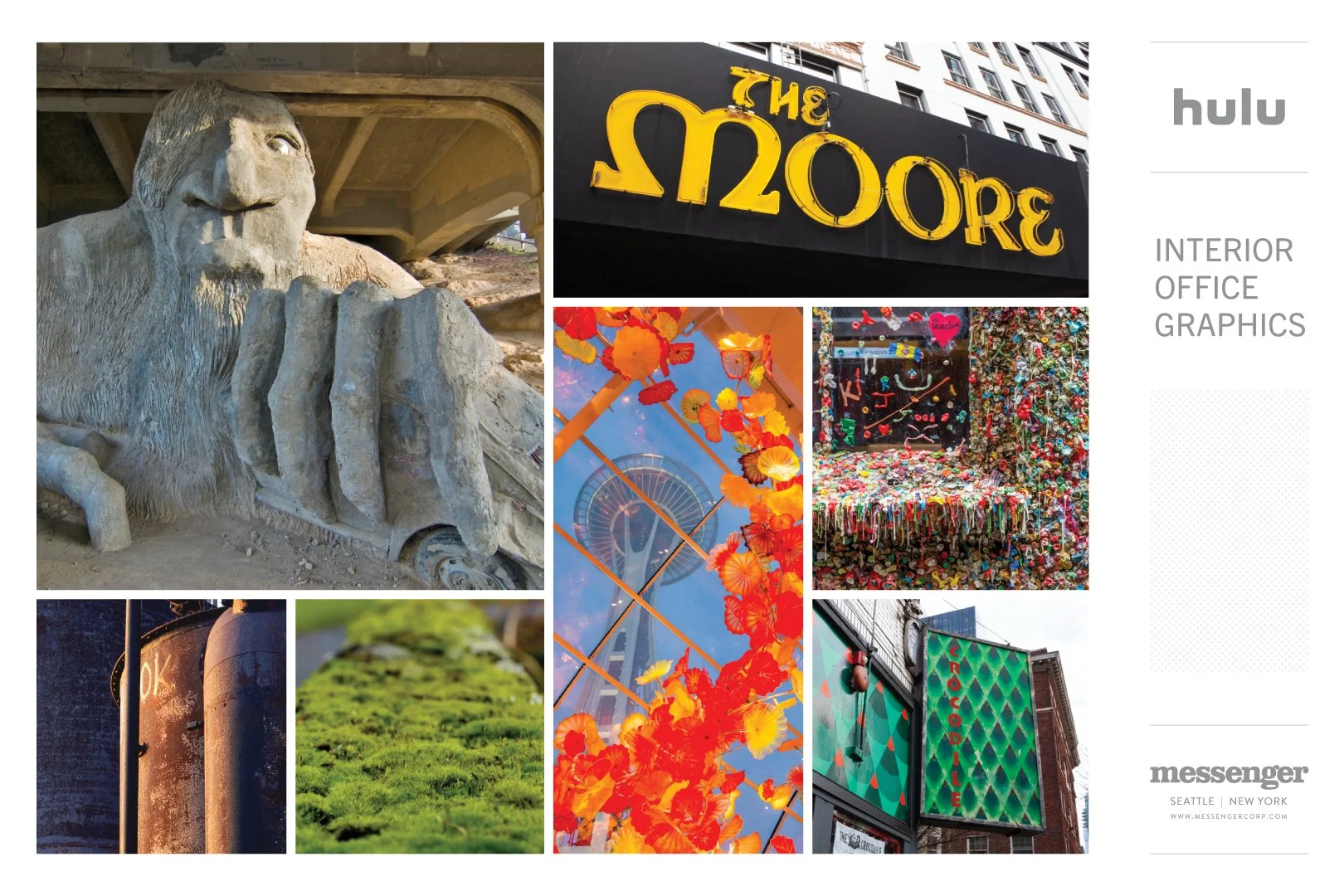
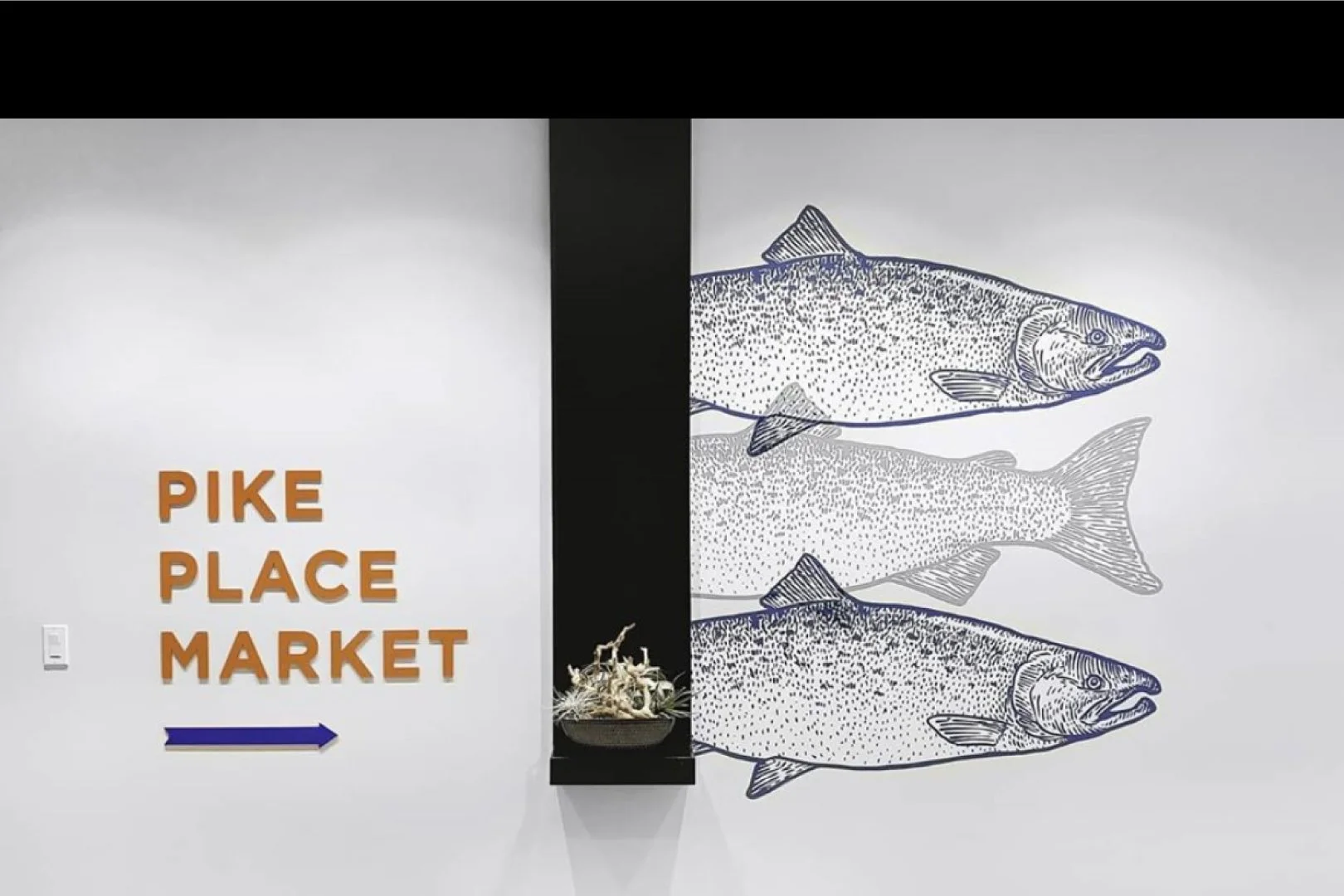
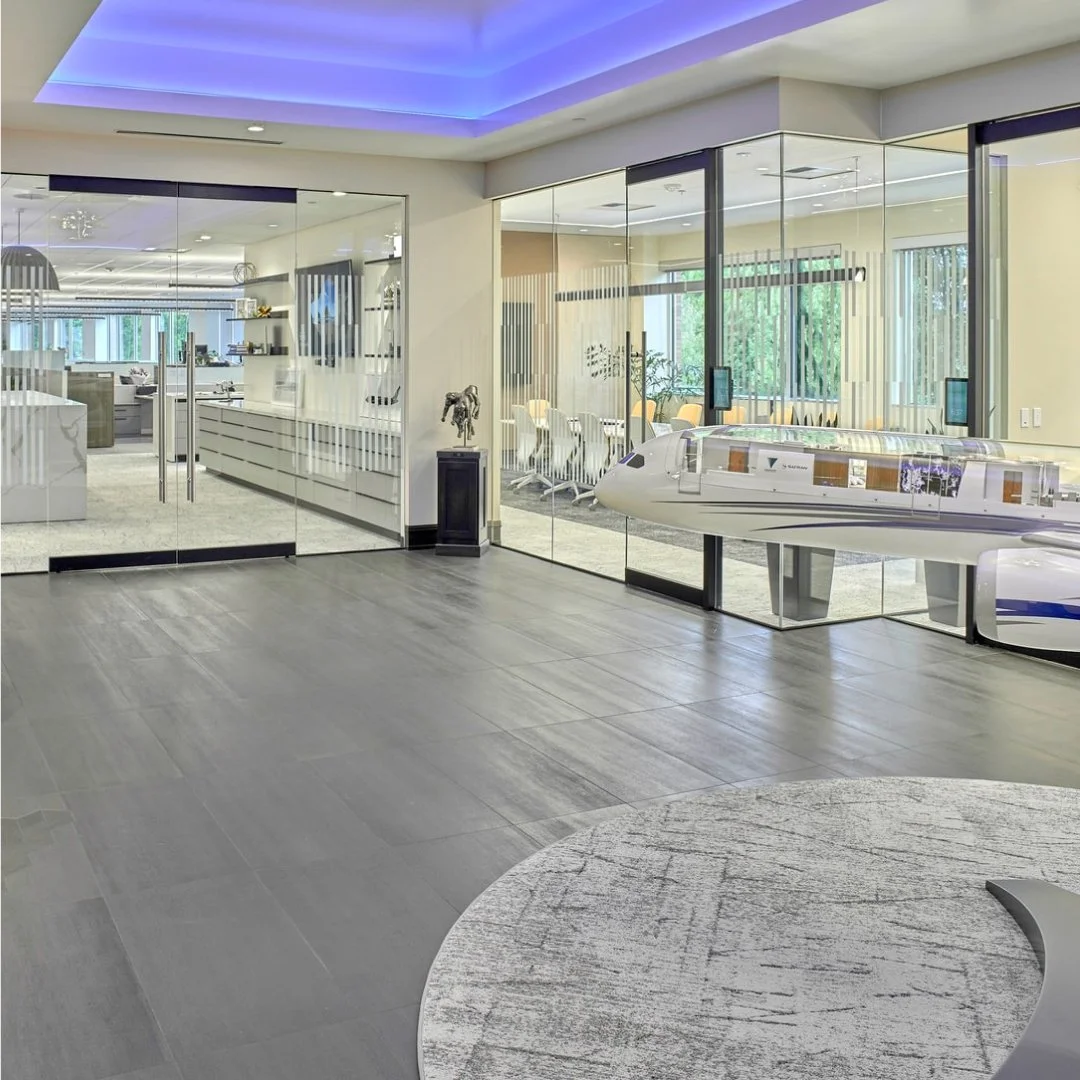
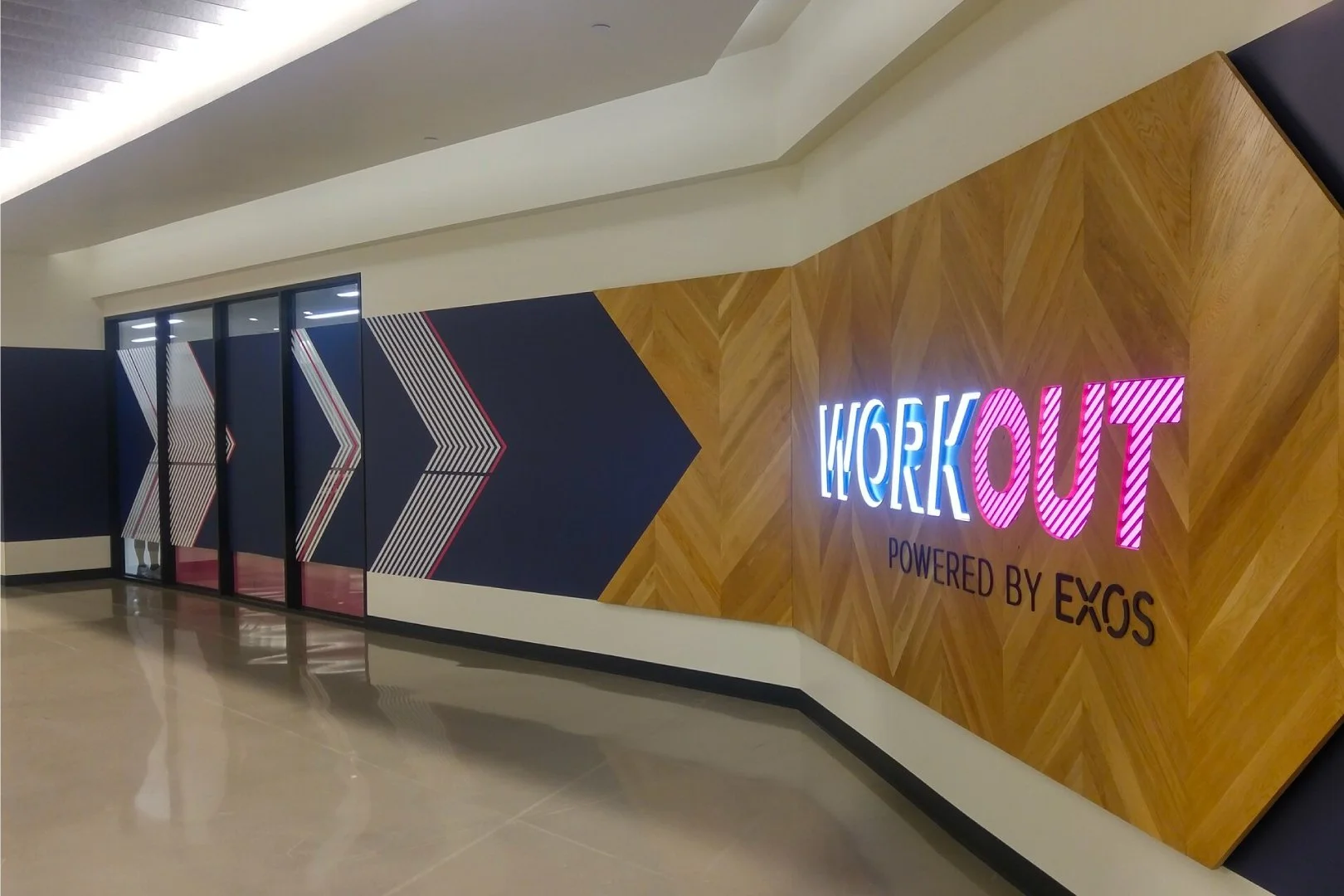
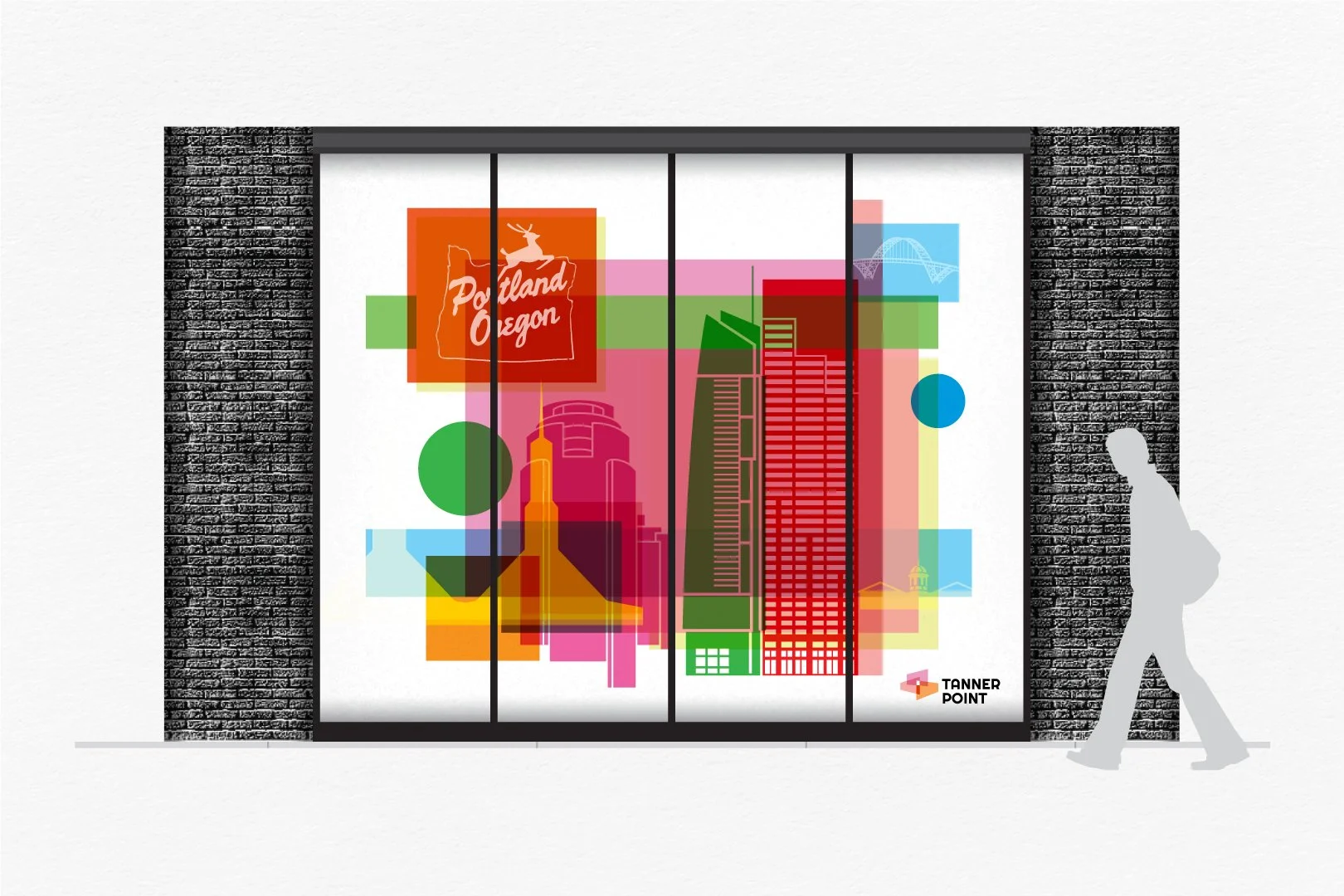
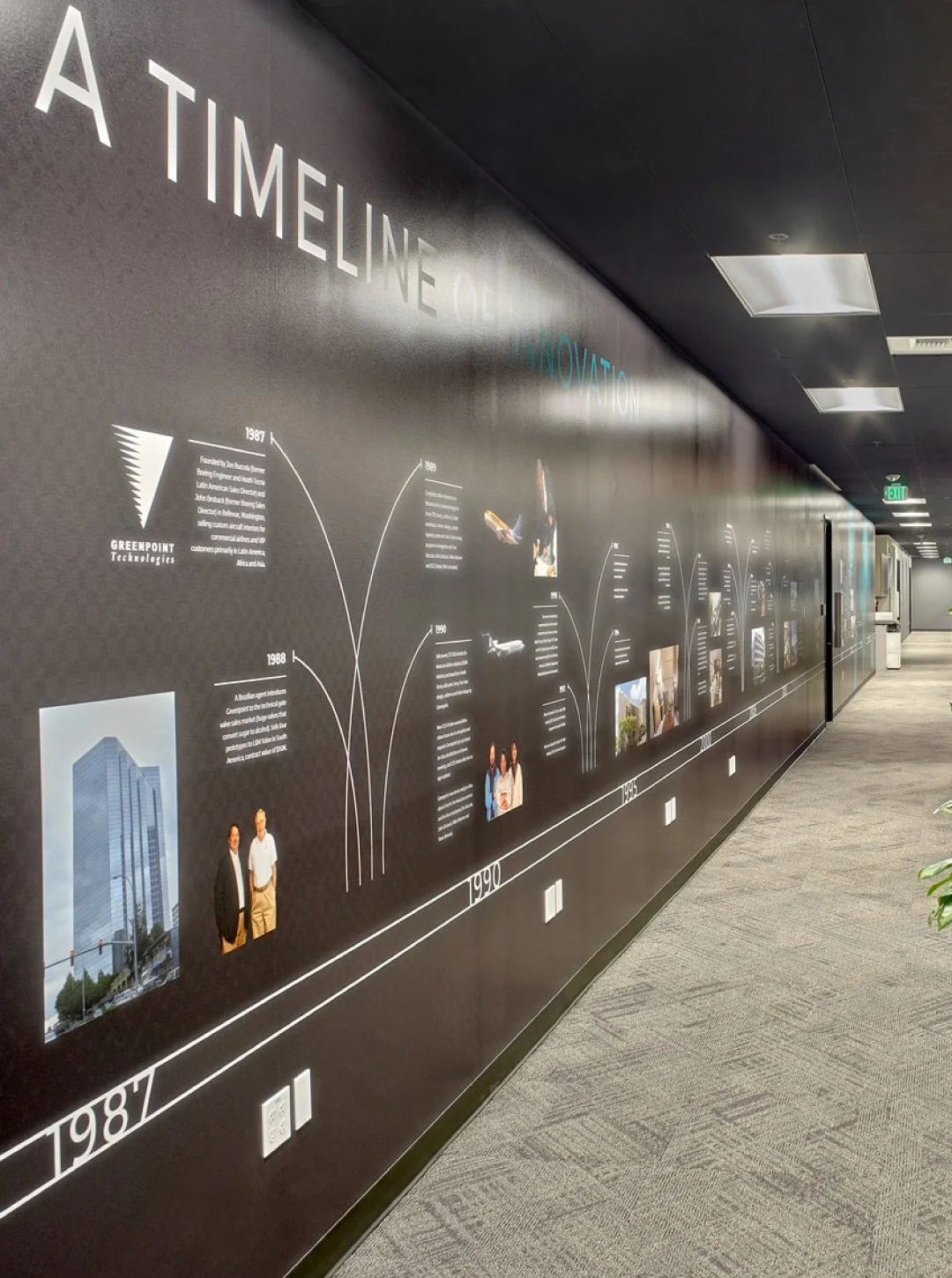
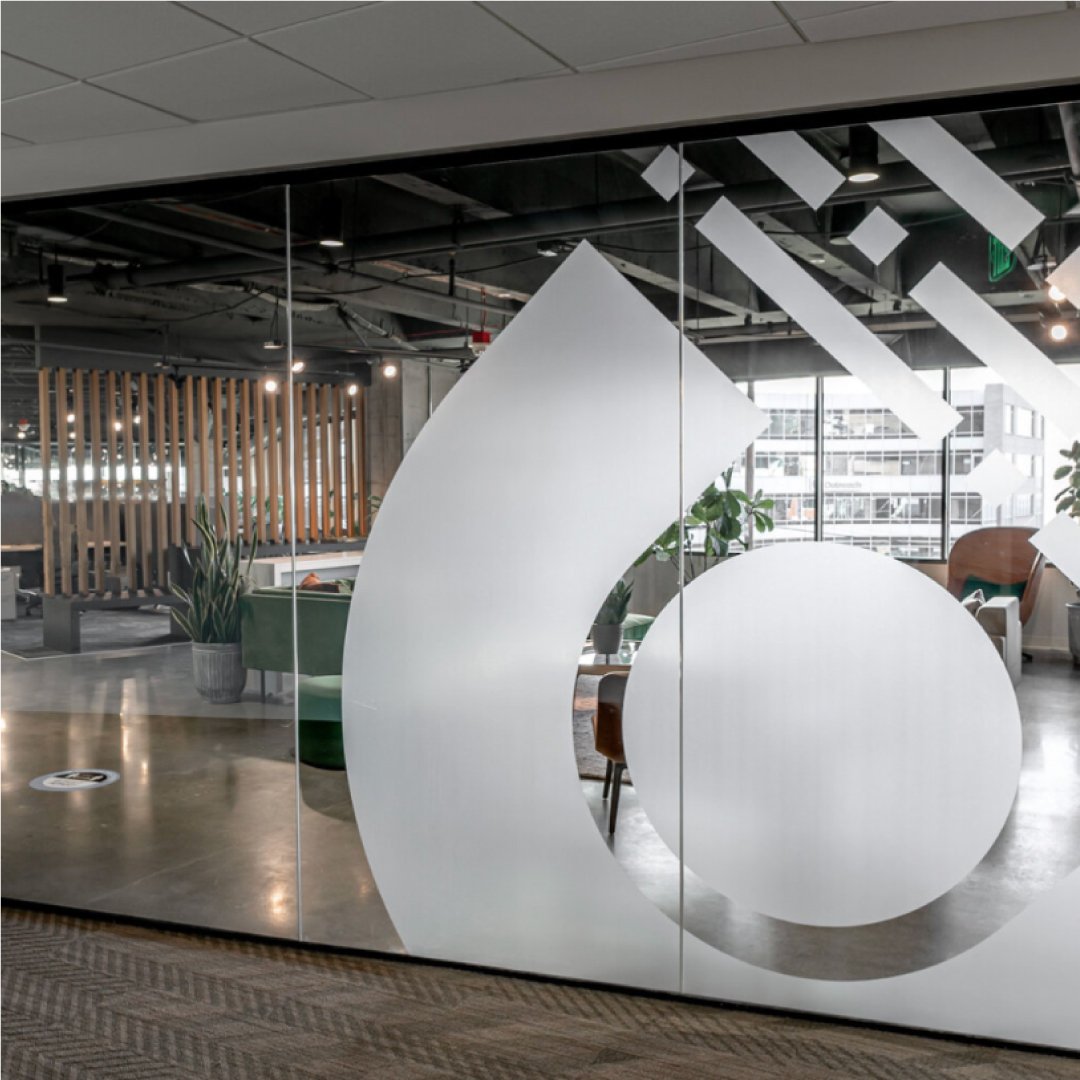
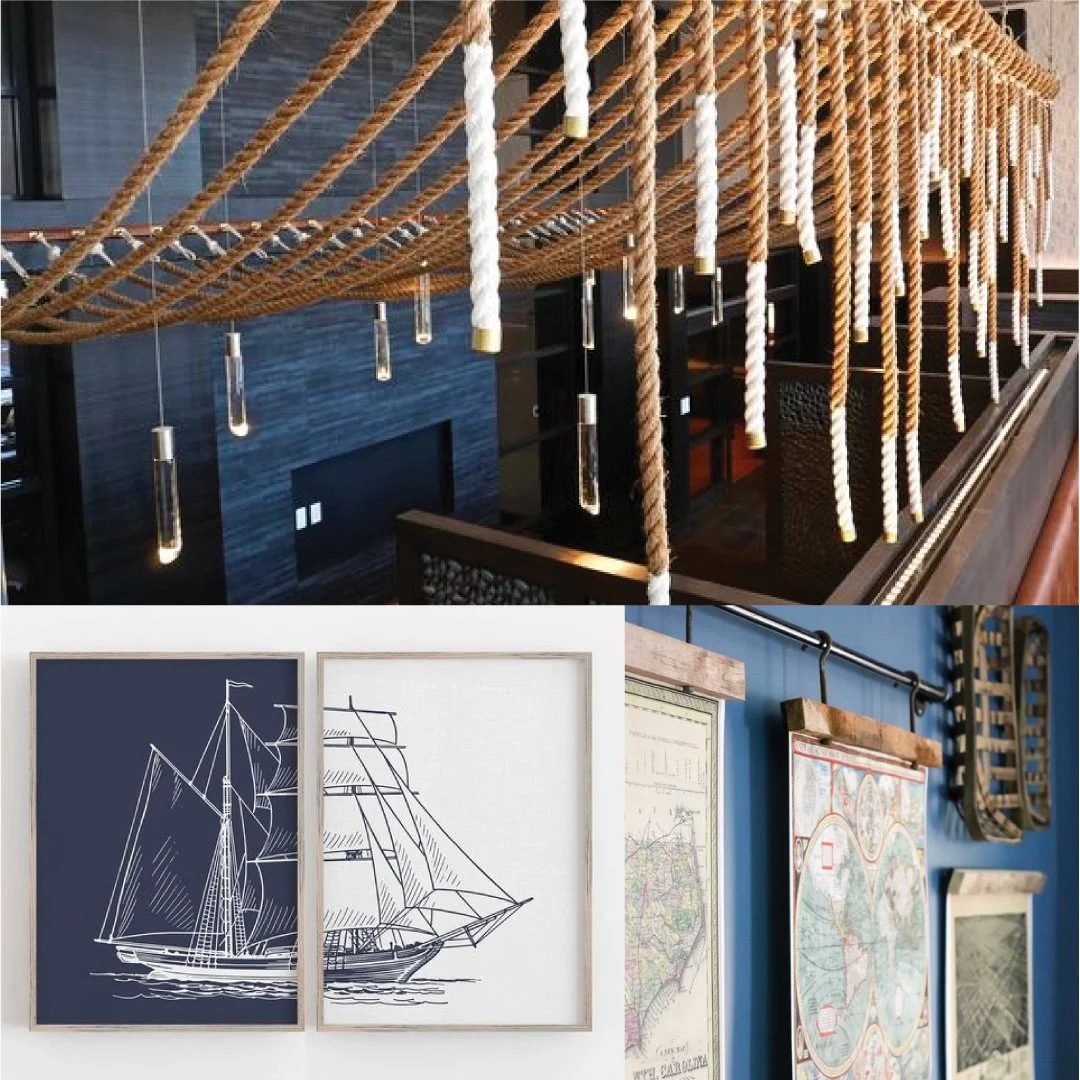
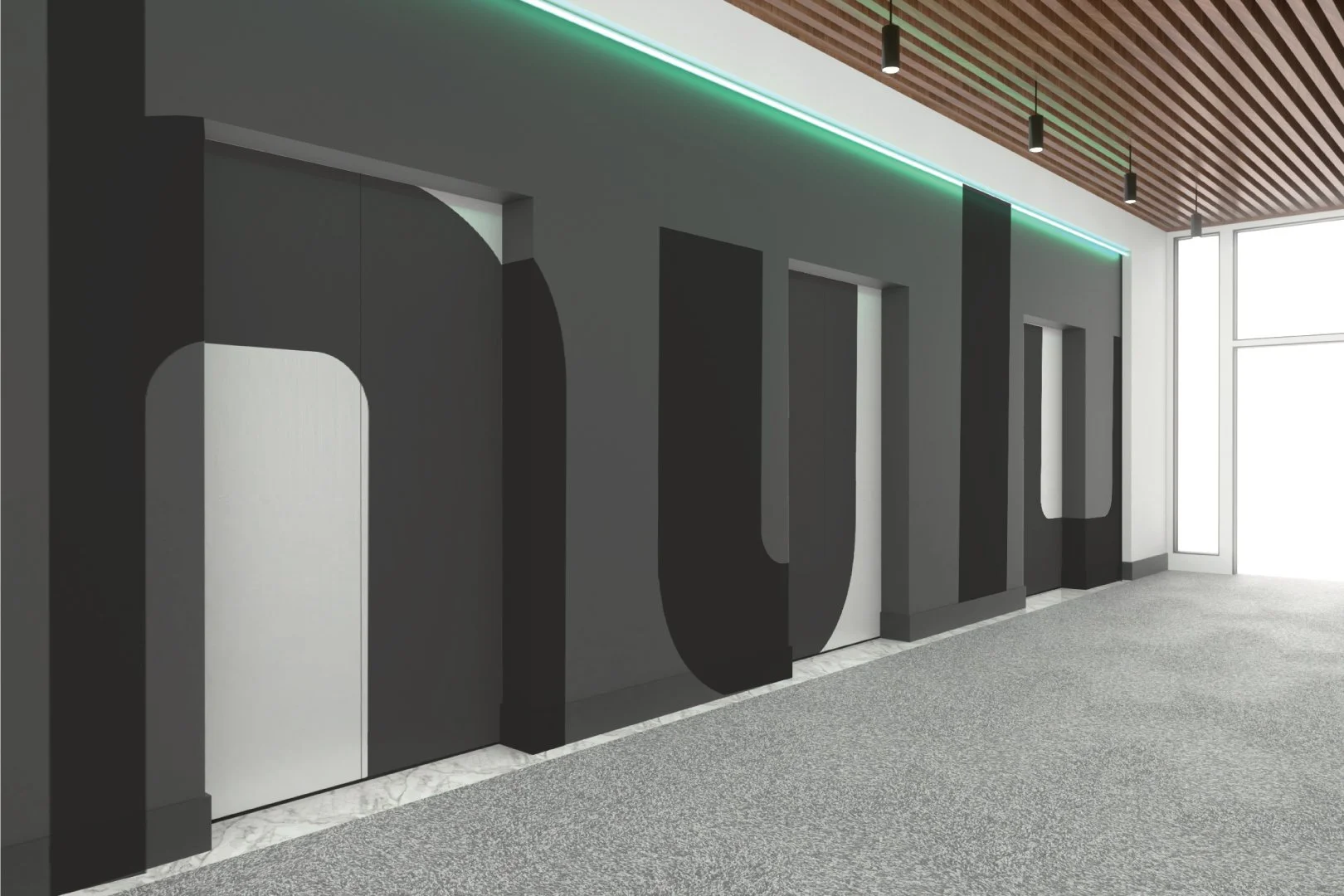
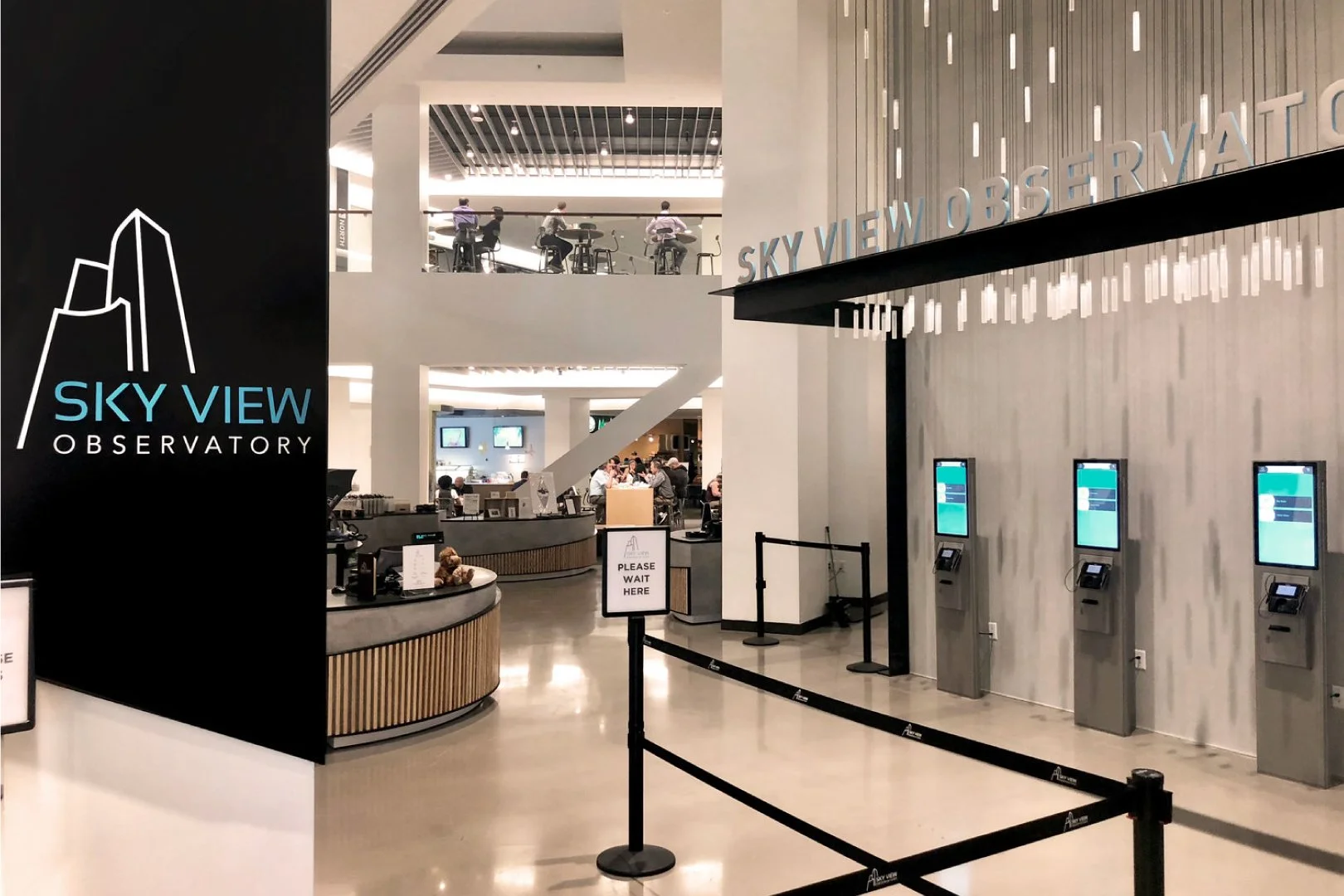
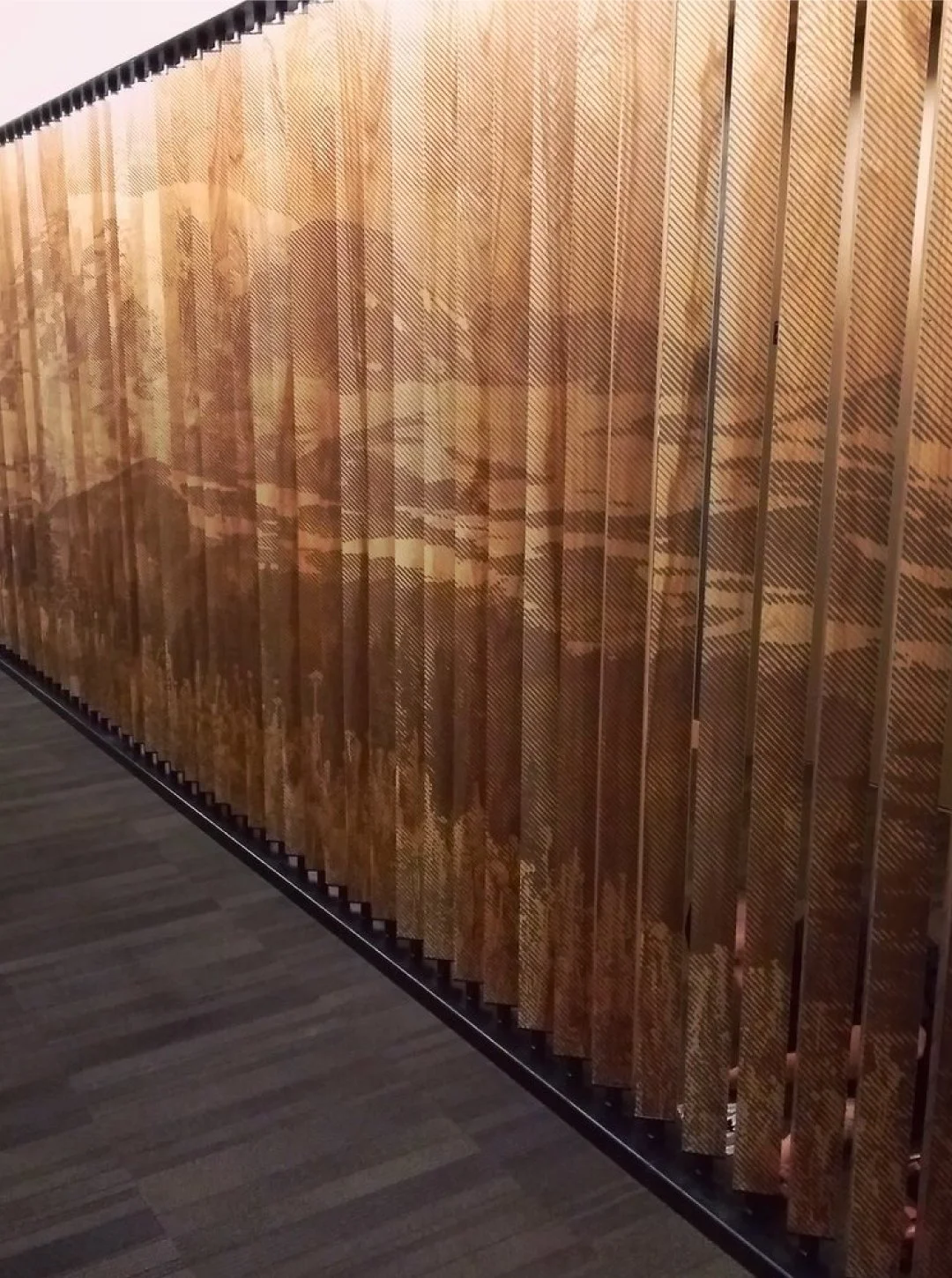
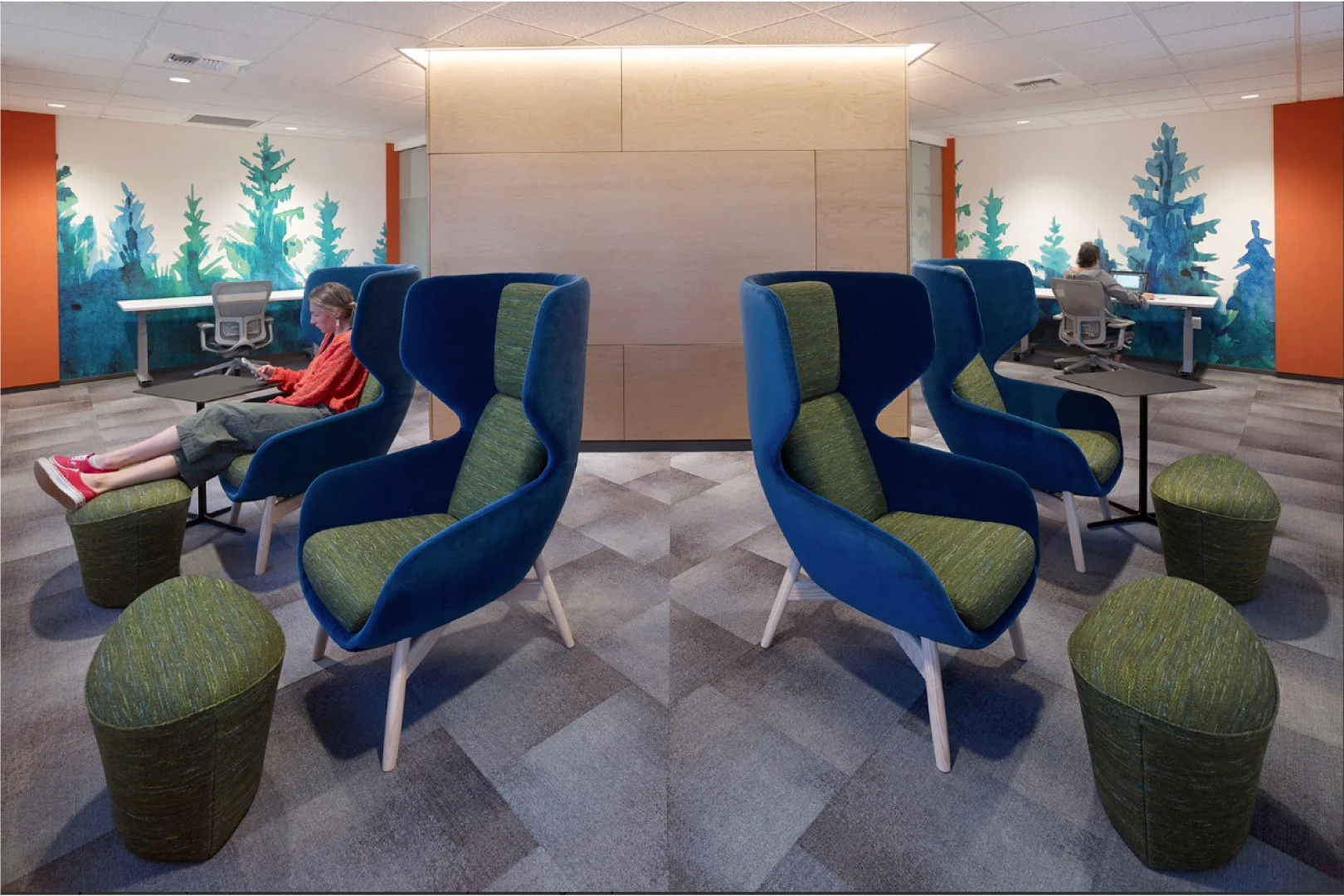
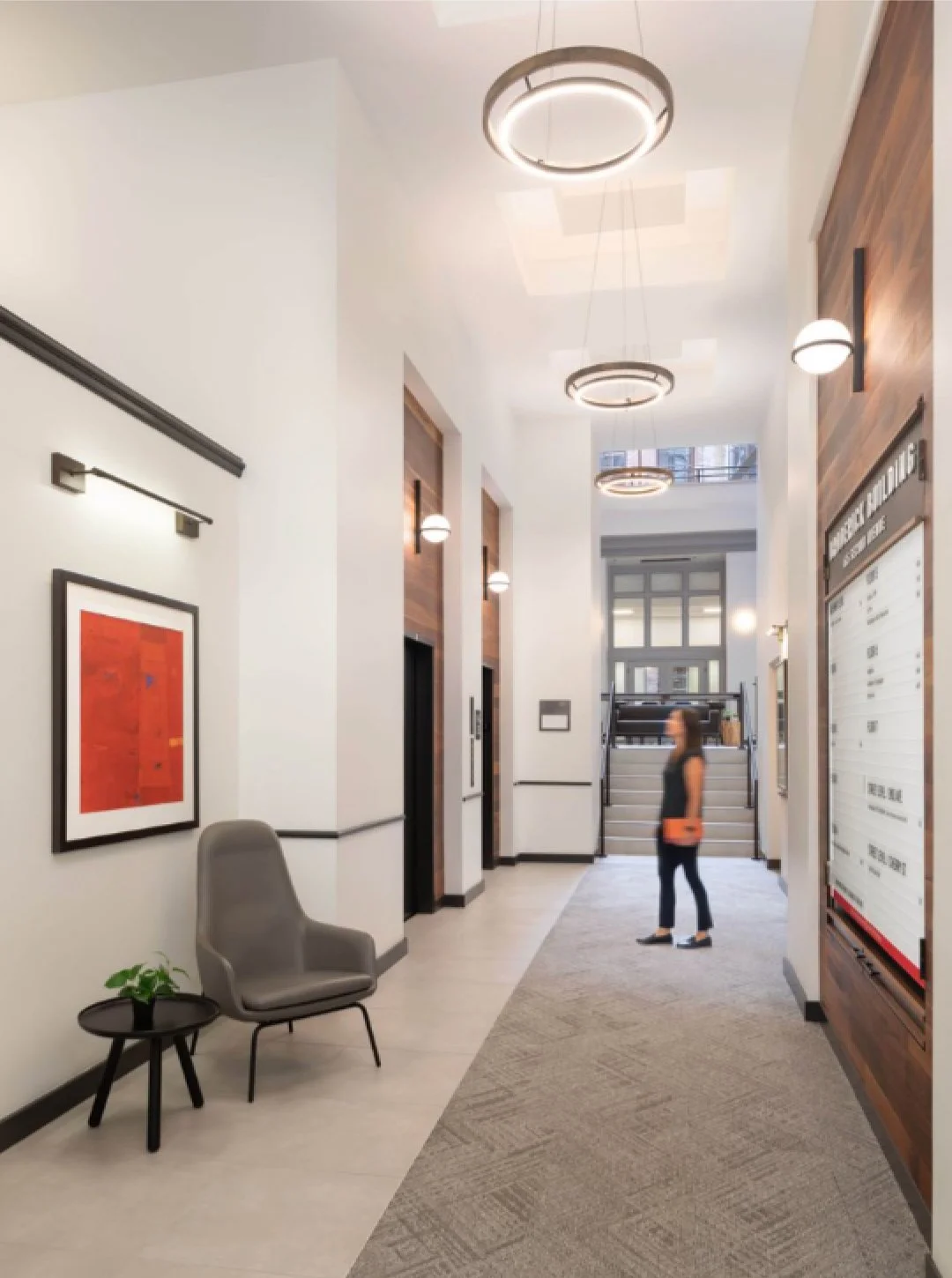
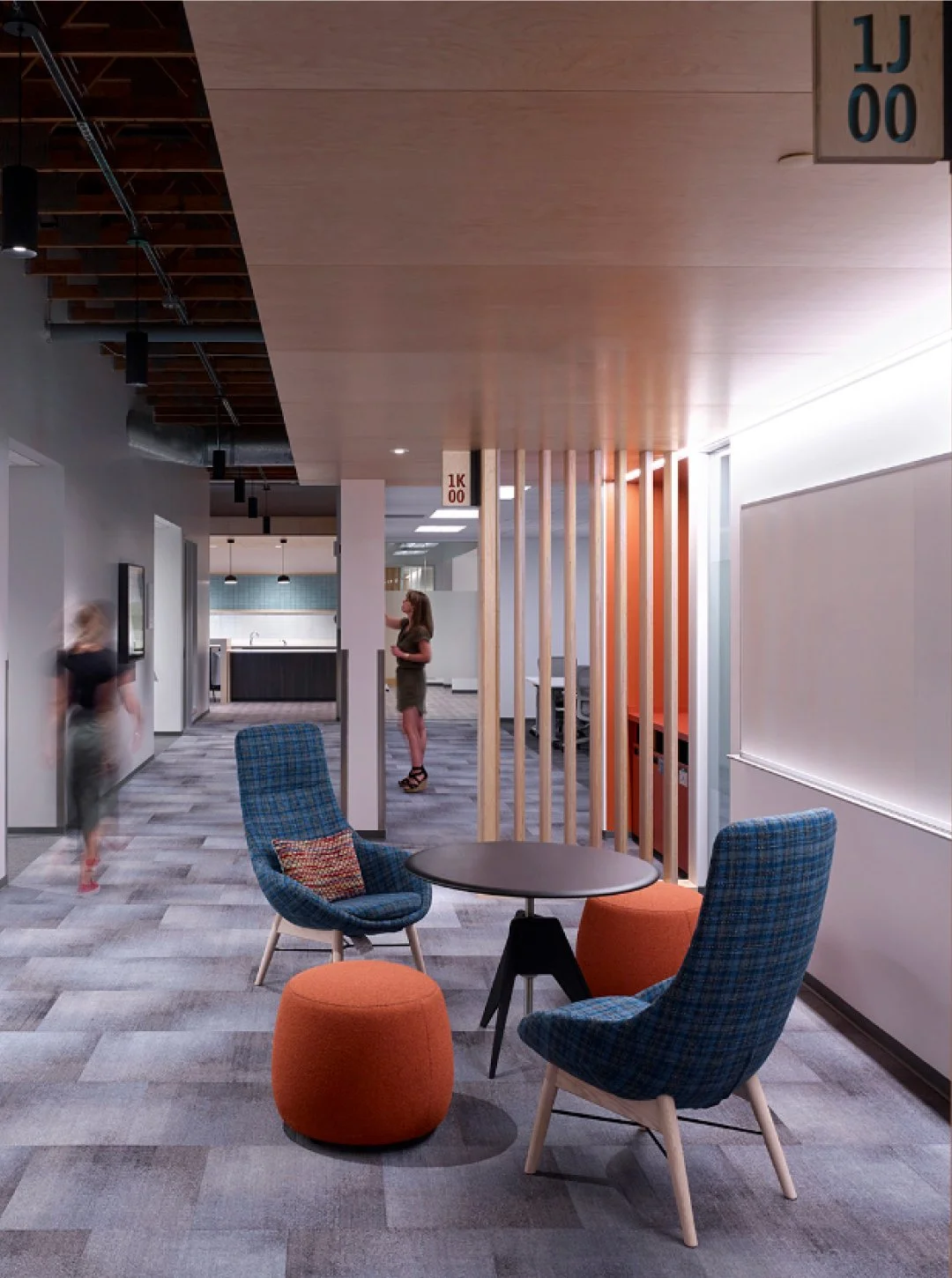
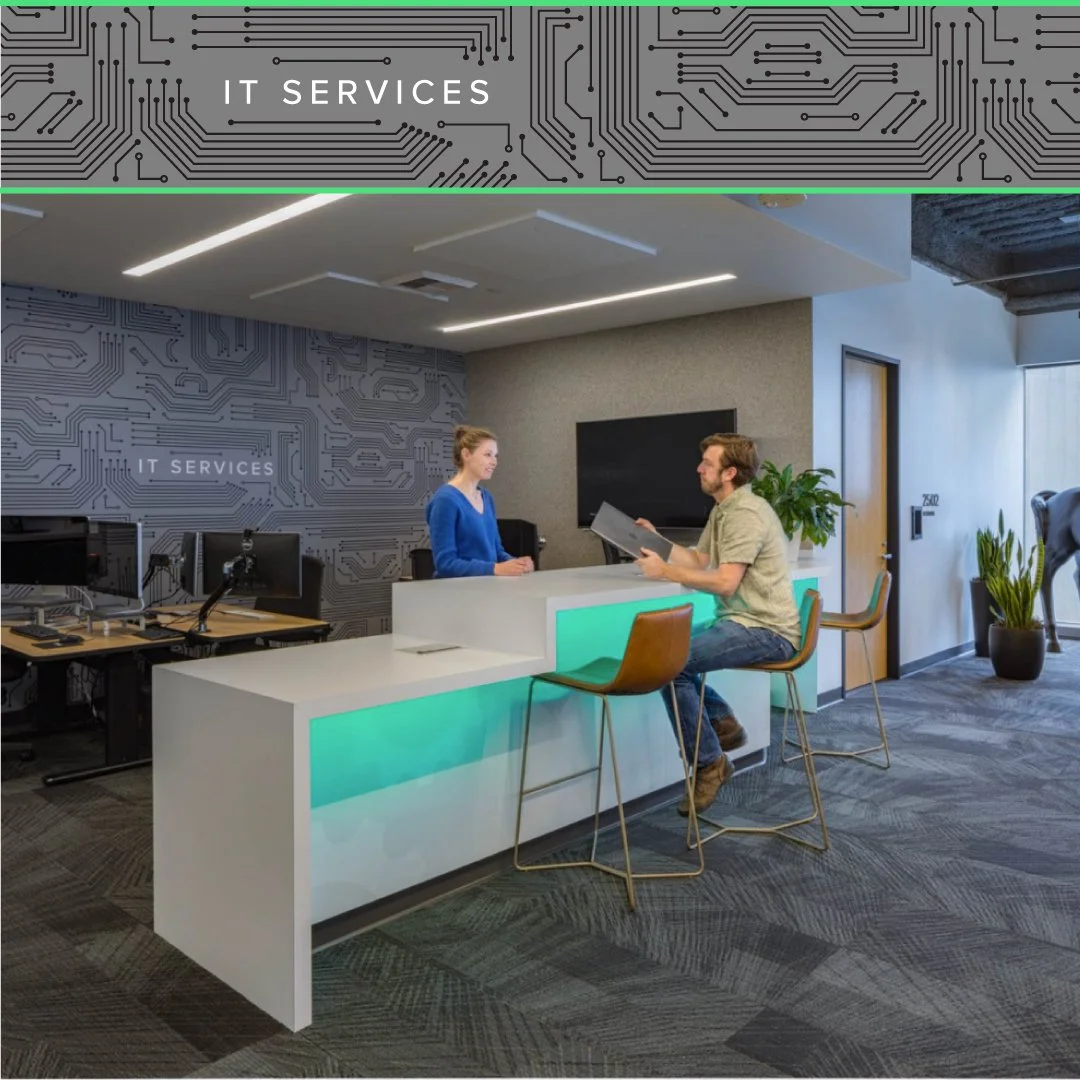
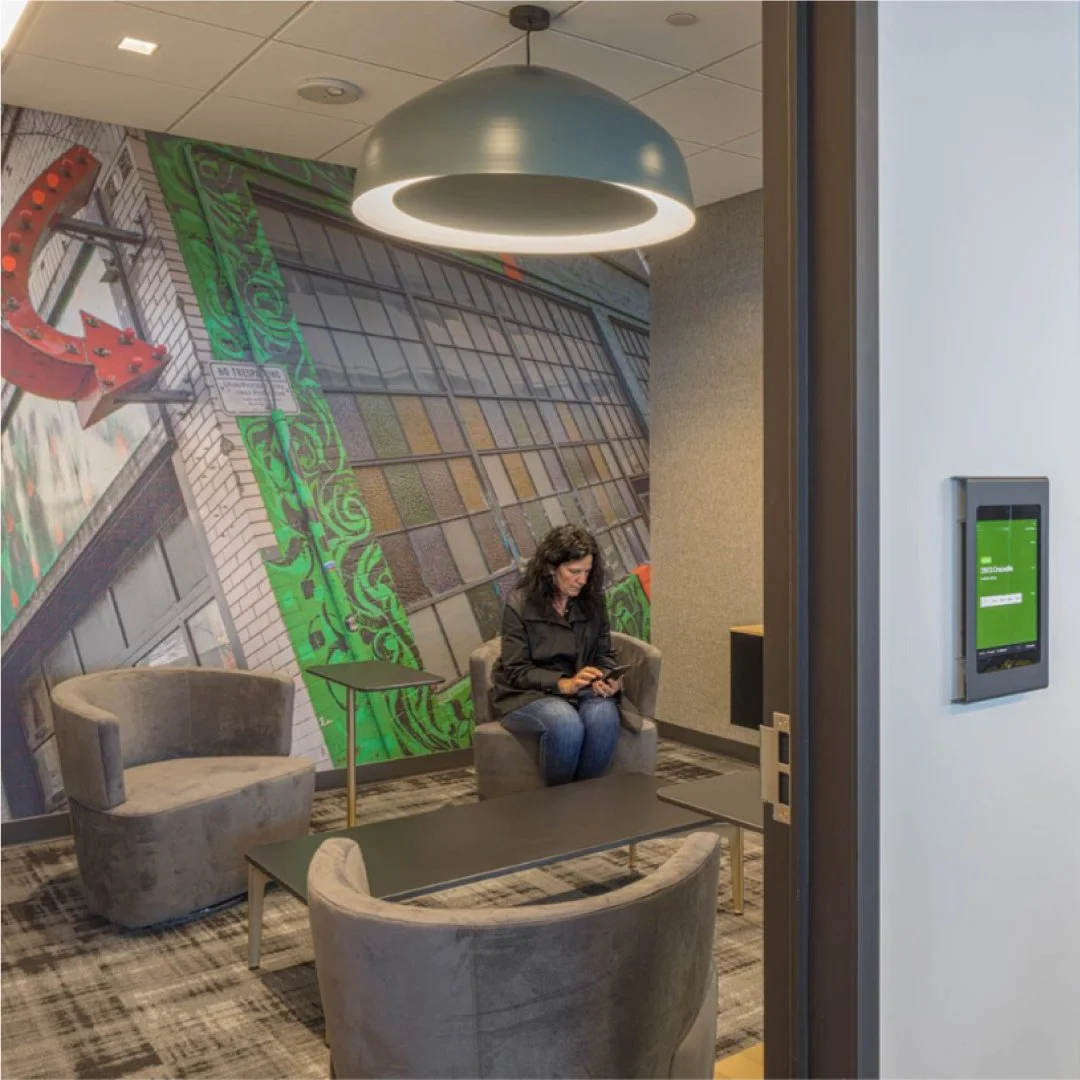
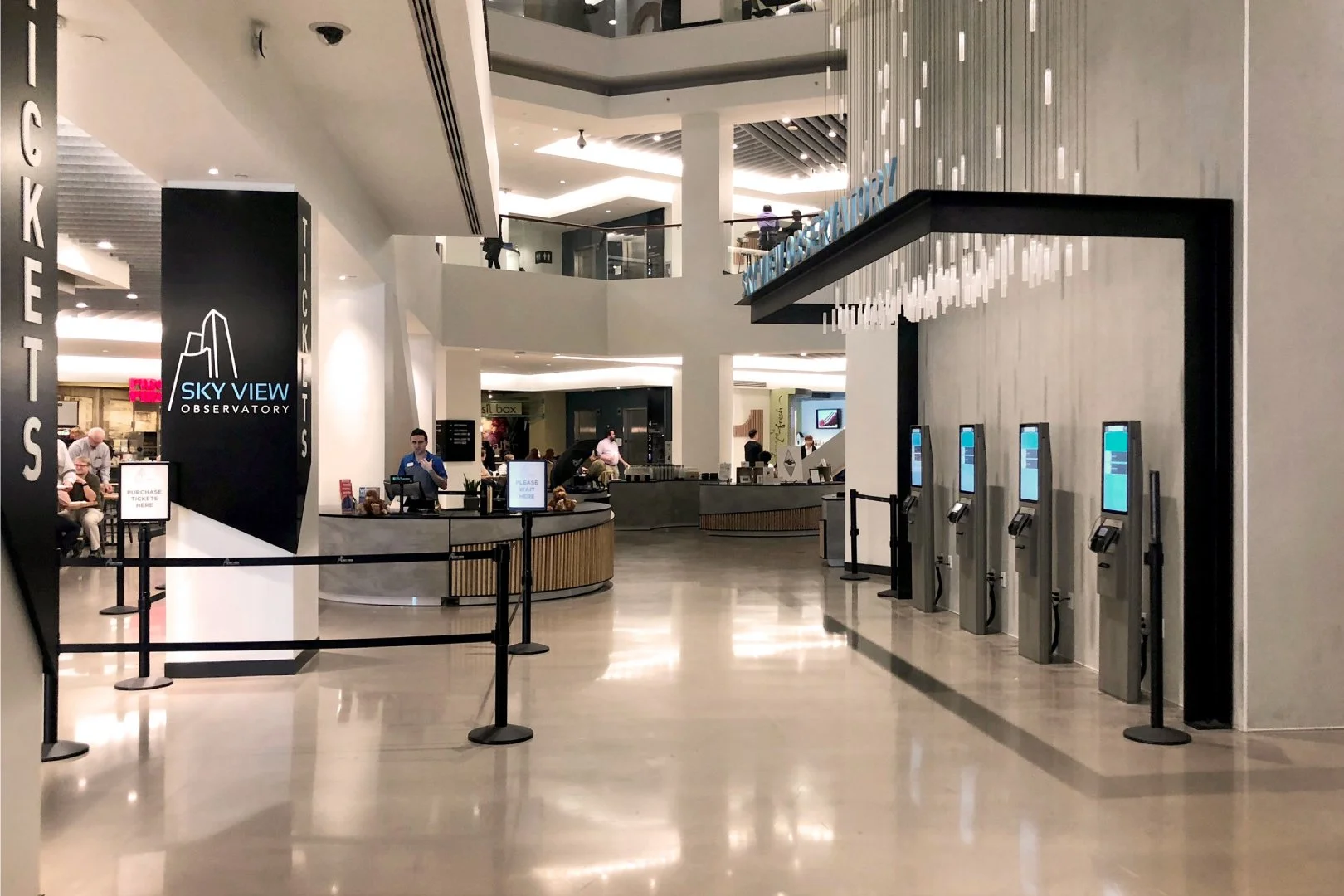
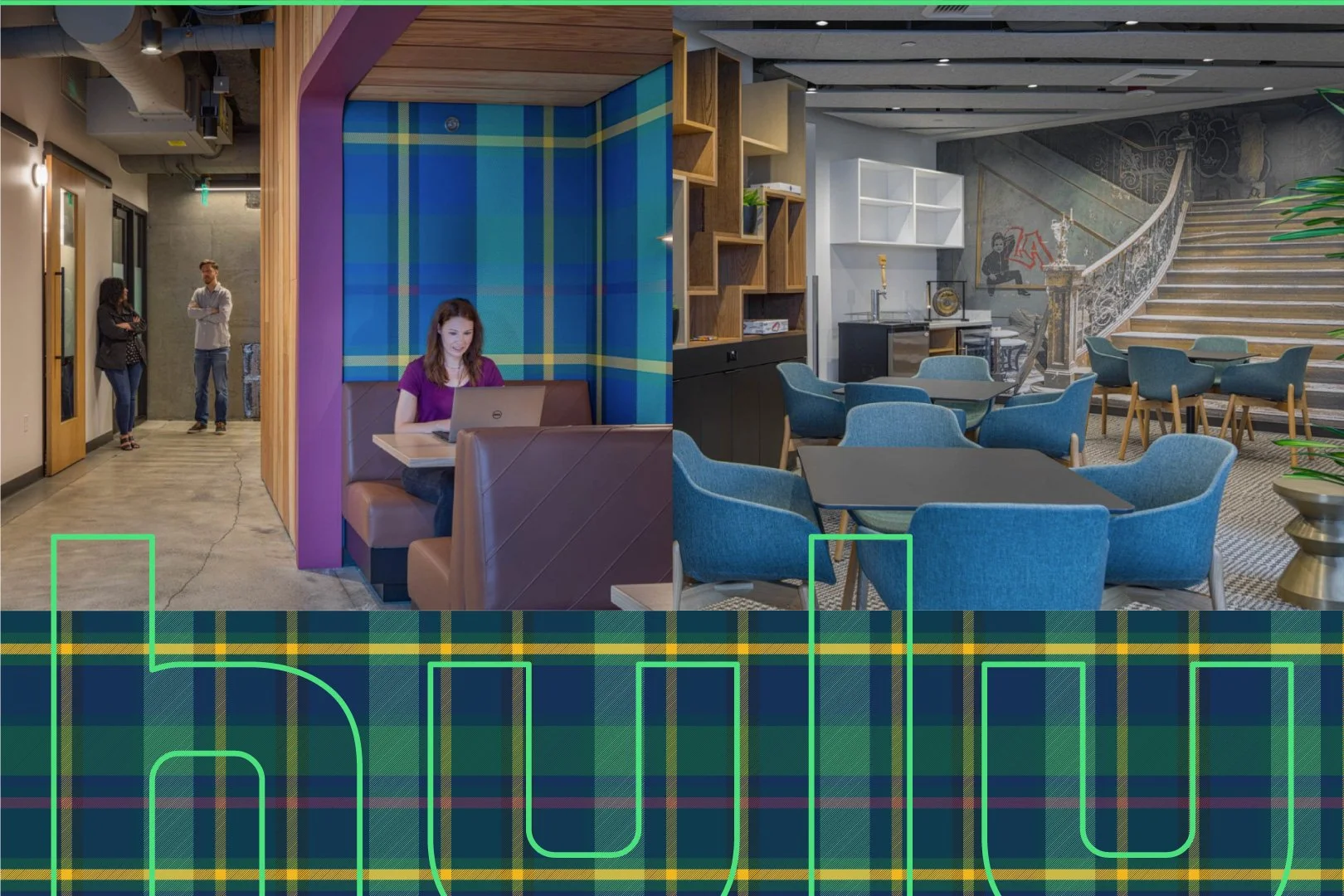
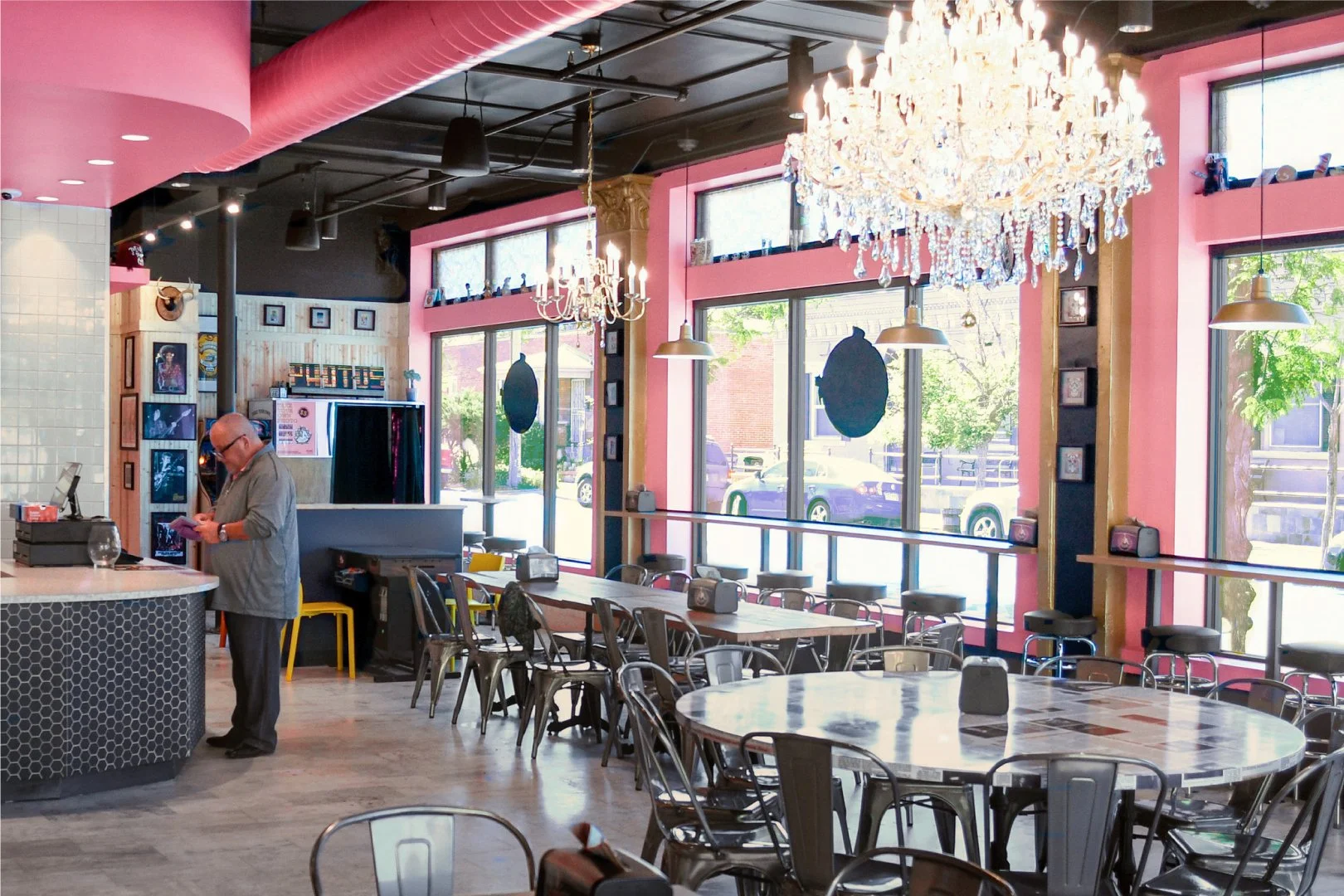
My experiential design roles provided the opportunity to collaborate closely with architectural and environmental design teams to enhance both the functionality and visual impact of interior spaces.
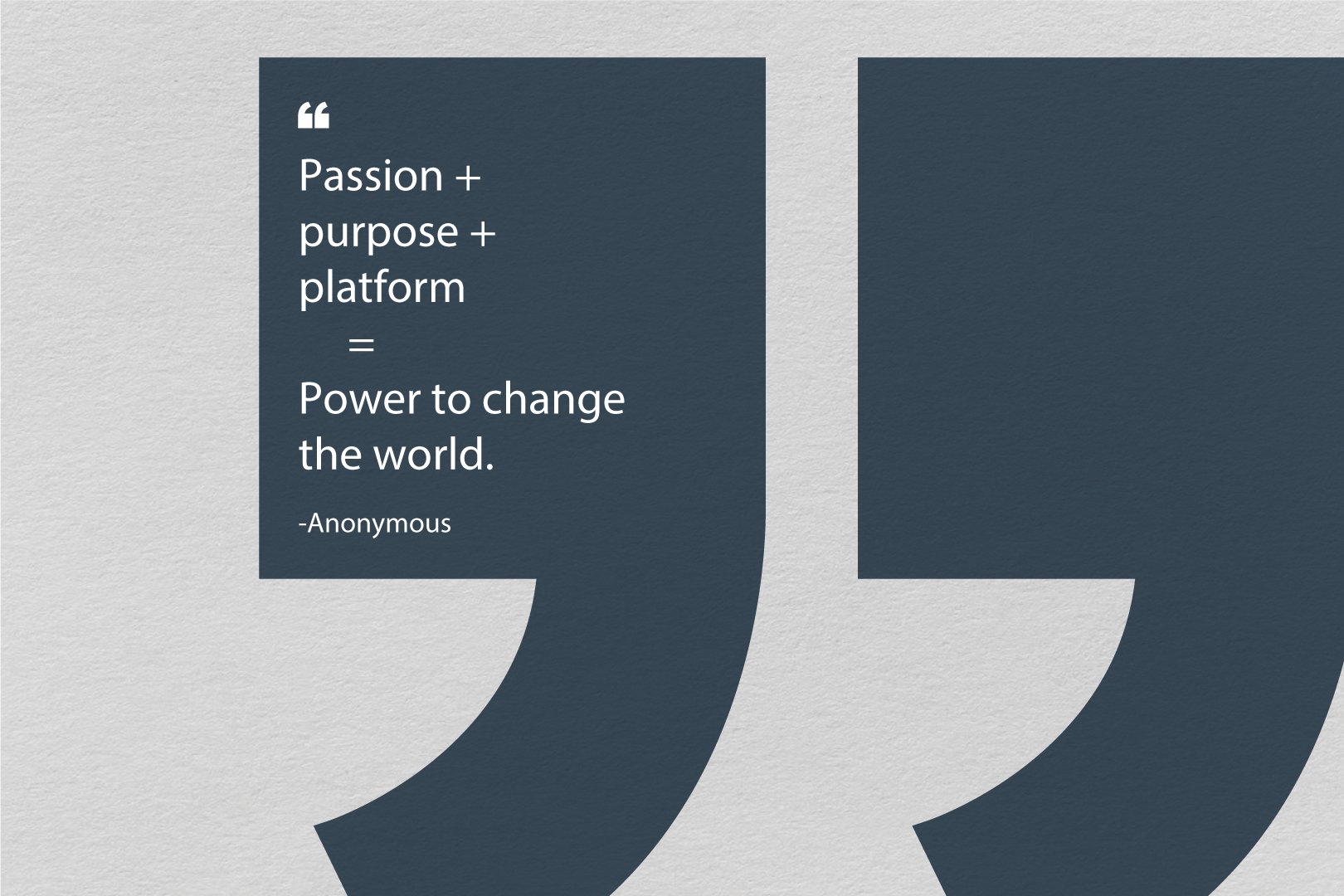
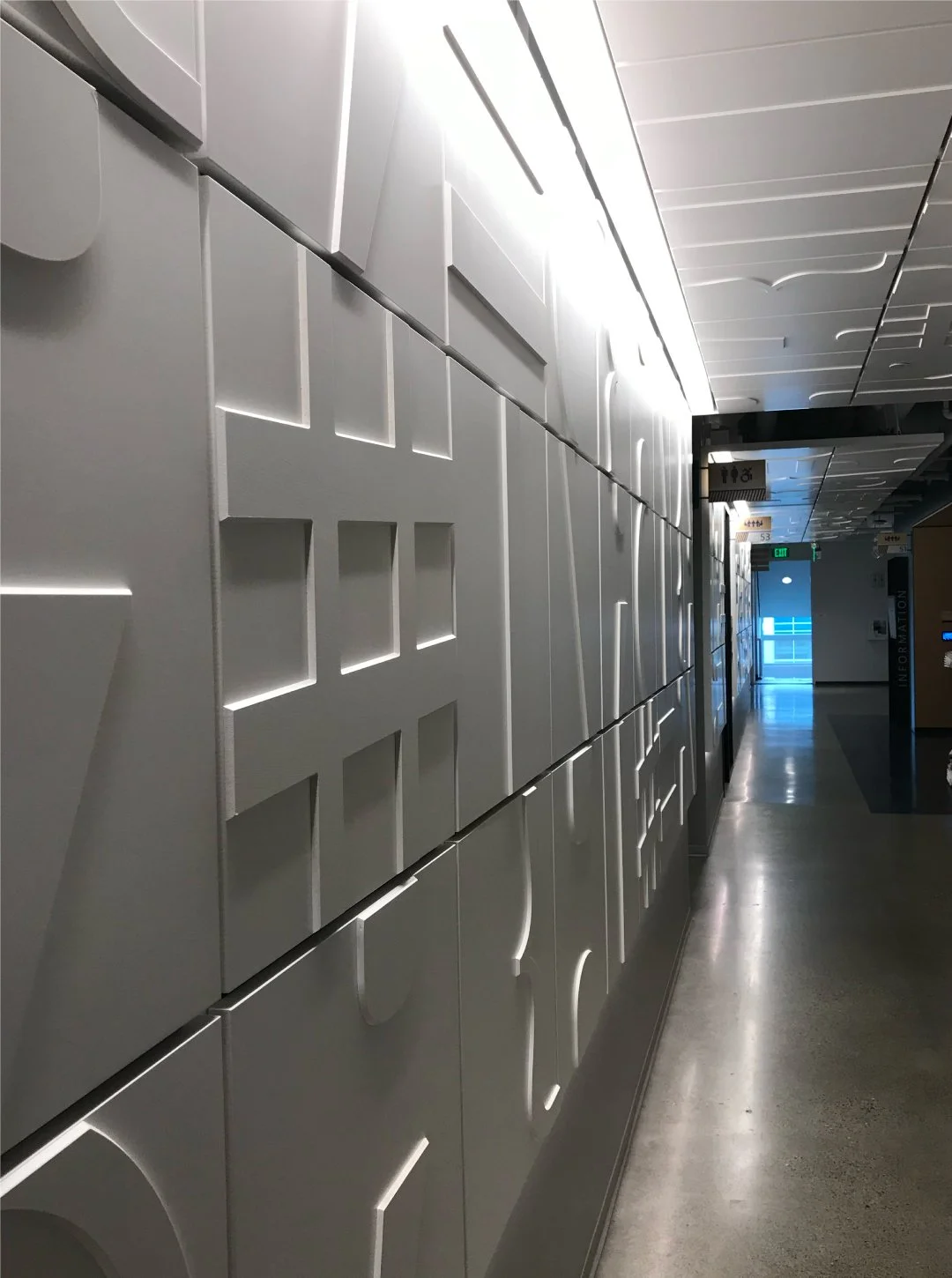
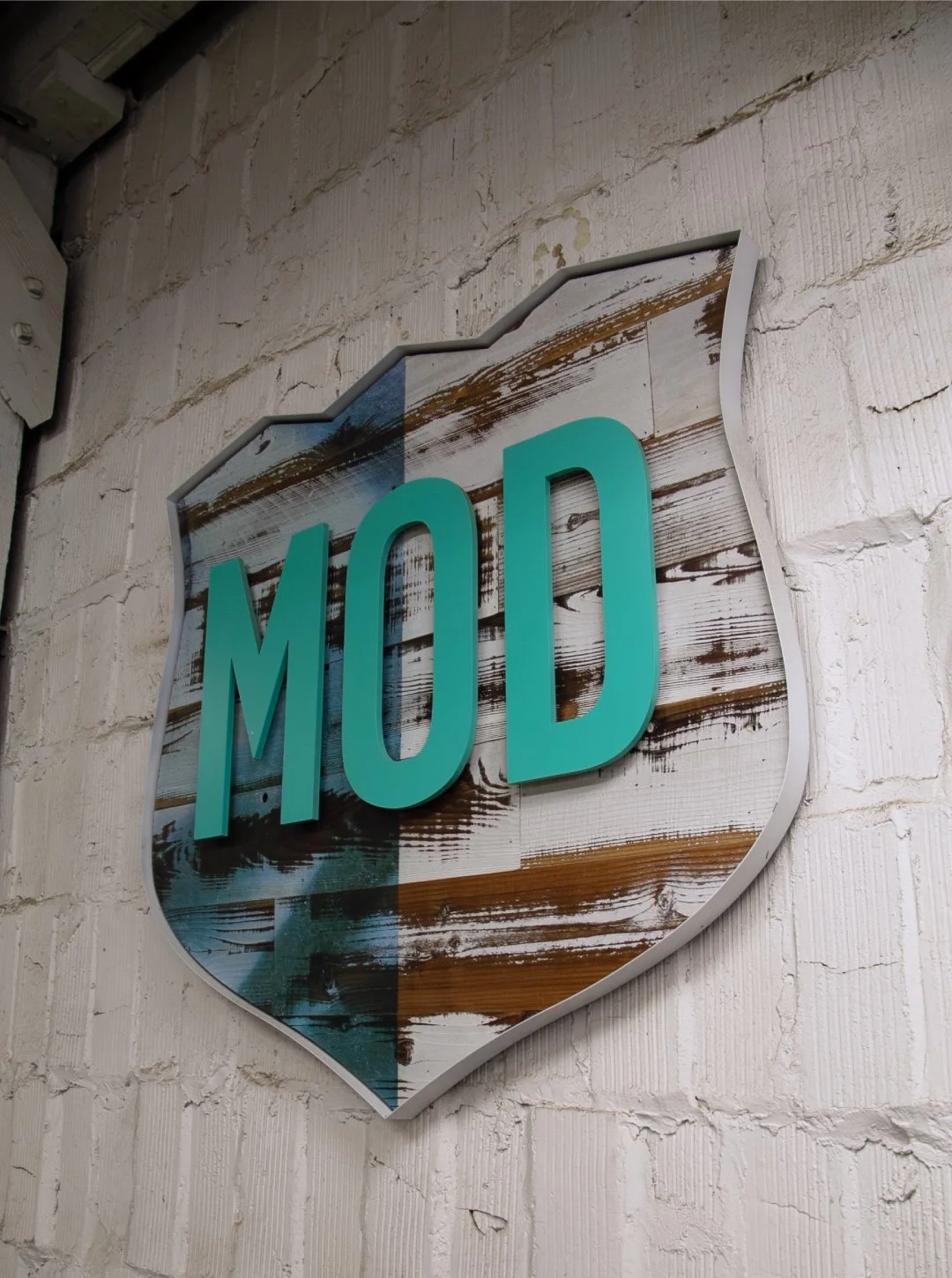
By integrating textures, materials, color systems, and environmental graphics, we transformed conceptual ideas into environments that were both purposeful and visually compelling. Each project required balancing aesthetics with practical considerations such as spatial flow, durability, and long-term usability.
The goal was always to create spaces that aligned with the client’s vision while delivering an experience that felt thoughtful, welcoming, and highly functional.
Research & Development
|
Concept Development
|
Signage Planning
|
Presentation Development
|
Shop Drawing Development
|
Production Art
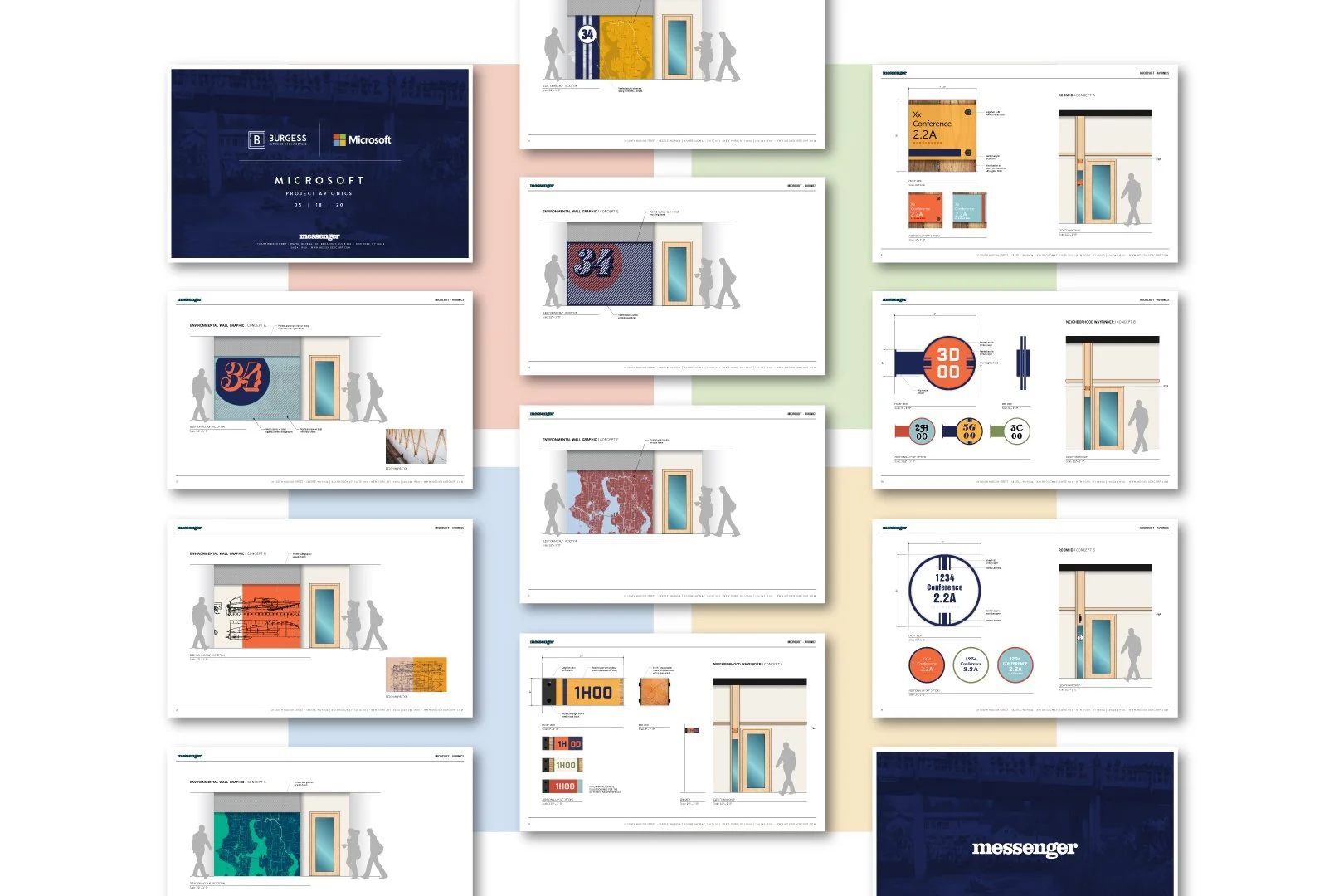
Research & Development | Concept Development | Signage Planning | Presentation Development | Shop Drawing Development | Production Art
The Challenge
Designing for interior environments requires careful balance between aesthetics and function. Each design decision must support the client’s vision while also addressing practical considerations such as traffic flow, visibility, durability, and spatial constraints.
Creating an environment that feels cohesive and intuitive often requires close collaboration with architects, fabricators, and stakeholders throughout the design process.
The Solution
Every project began with research and spatial analysis to understand how the environment would be used and experienced.
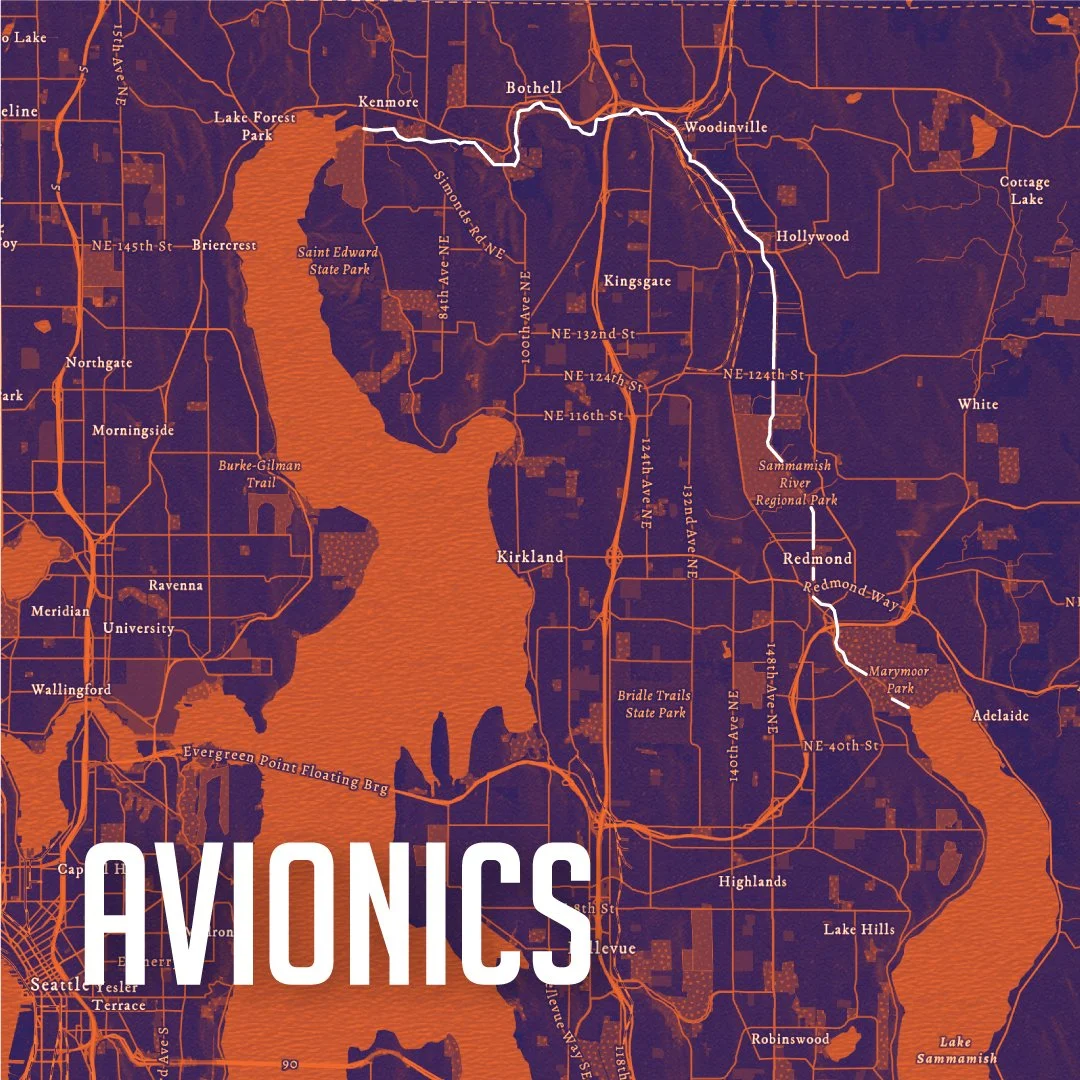
From there, materials, finishes, and signage elements were selected to support both visual cohesion and long-term durability. Layout planning focused on optimizing how people move through the space, while thoughtful material selection ensured both quality and sustainability.
The result was an environment that balanced aesthetic impact with practical functionality, creating spaces that were both visually engaging and operationally effective.


Retail Design & Decor
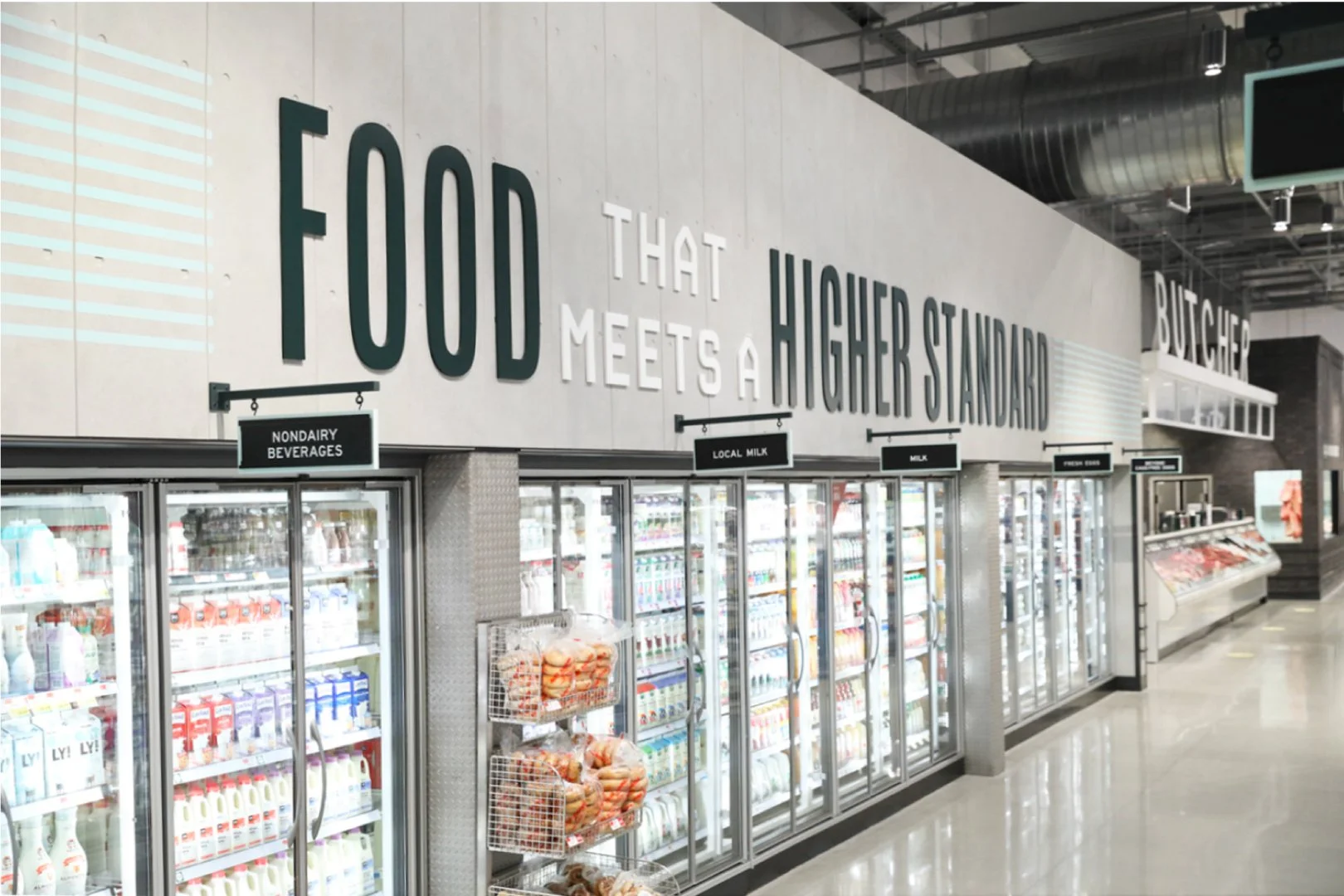
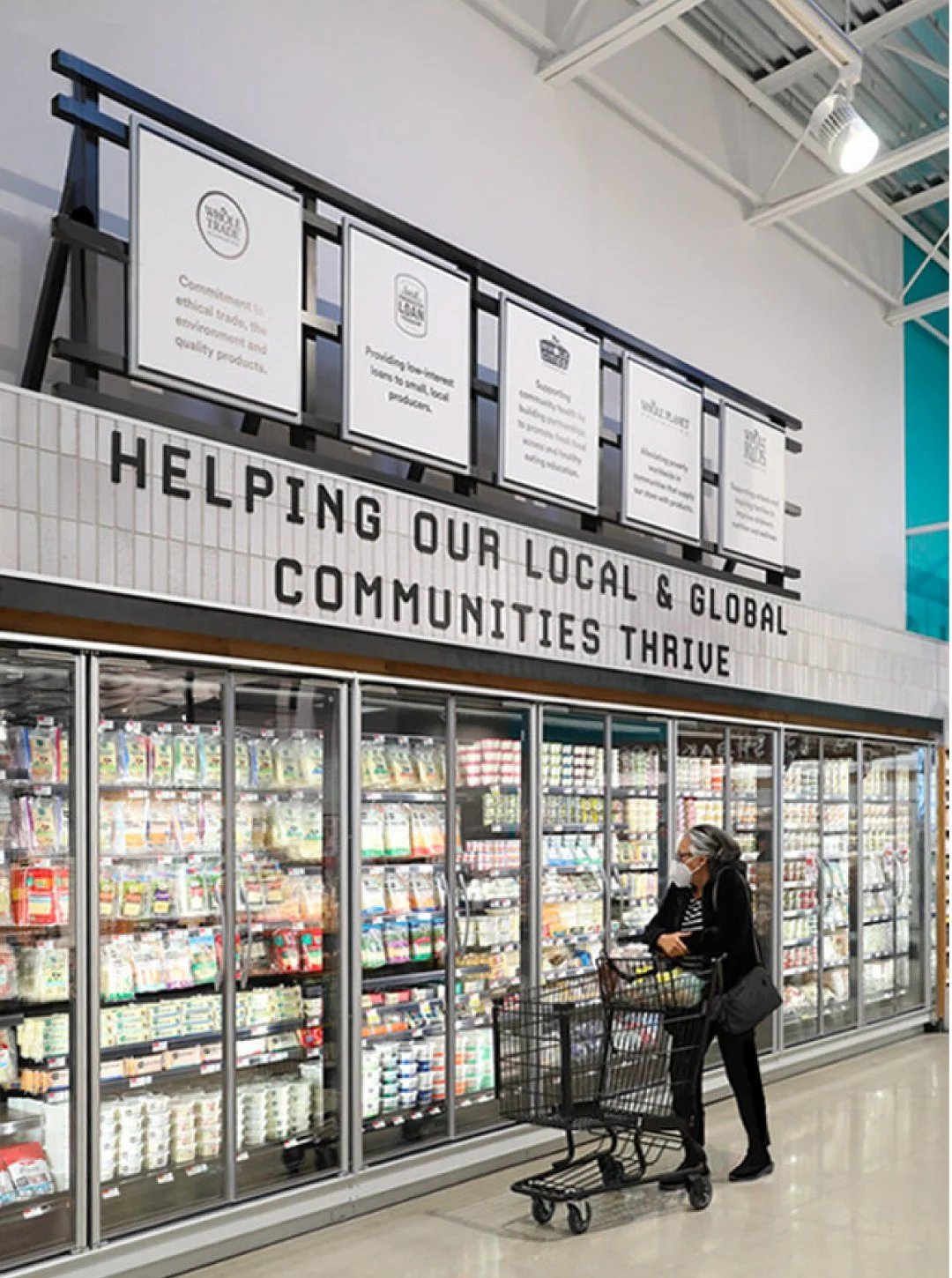
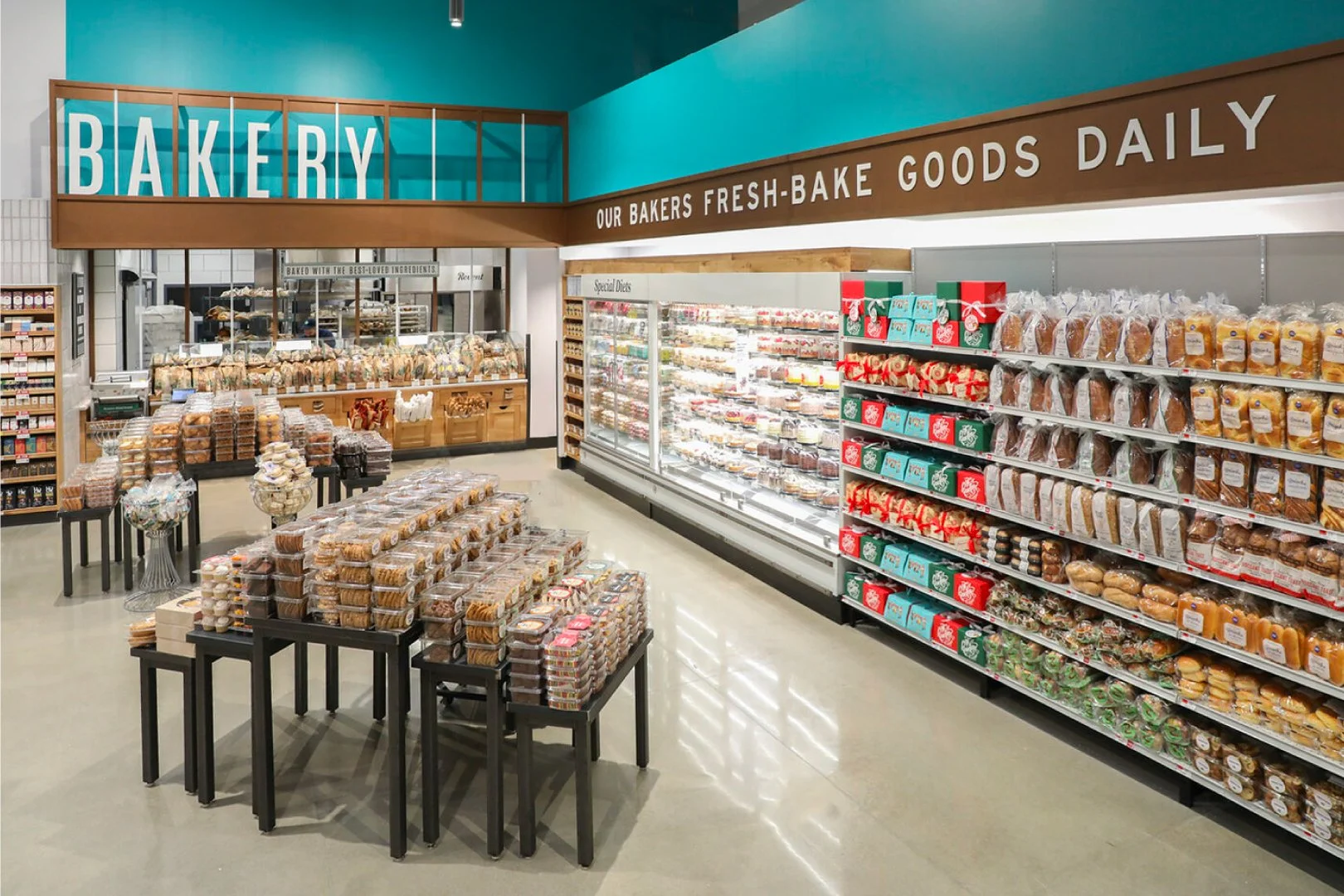
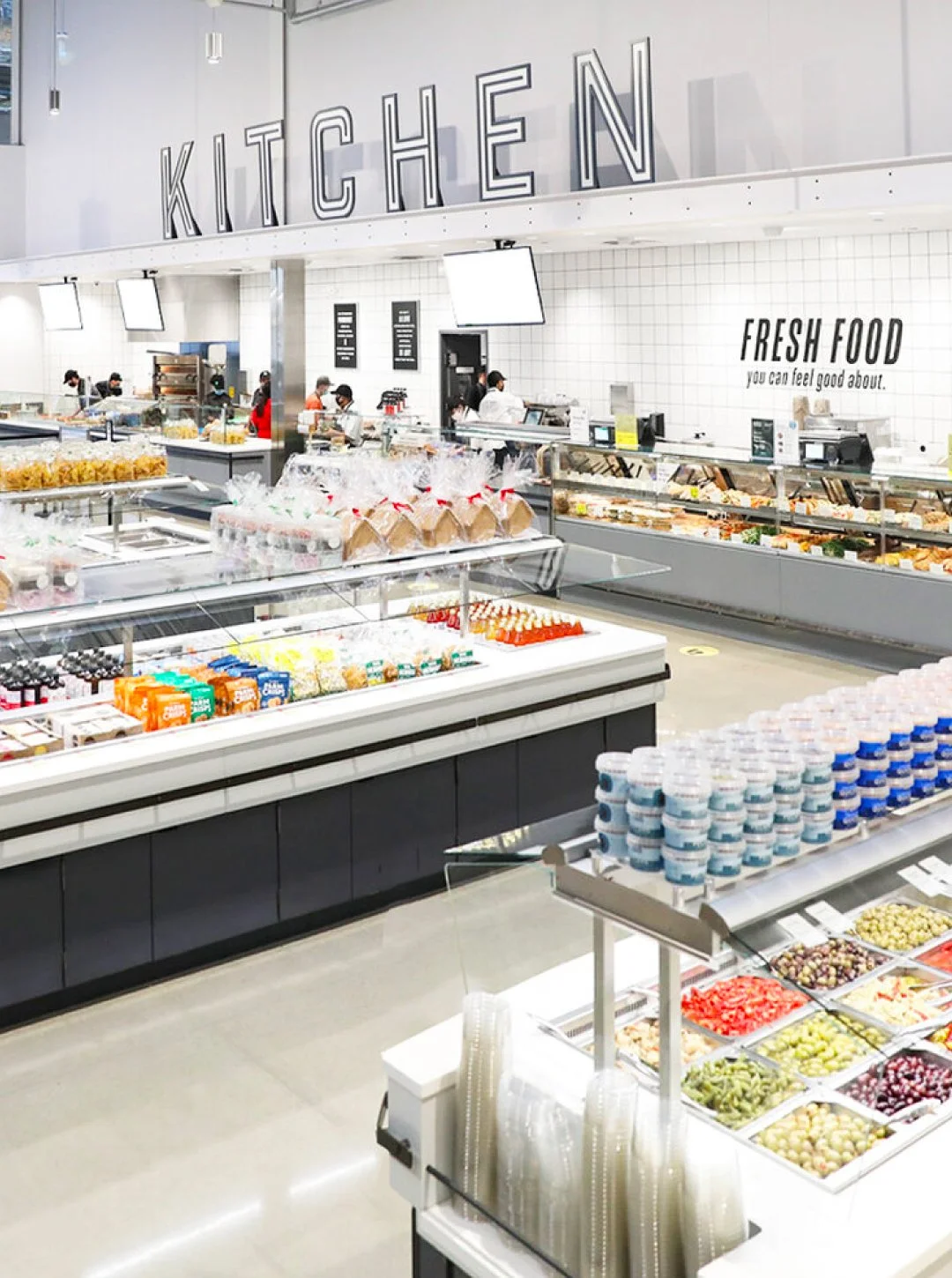
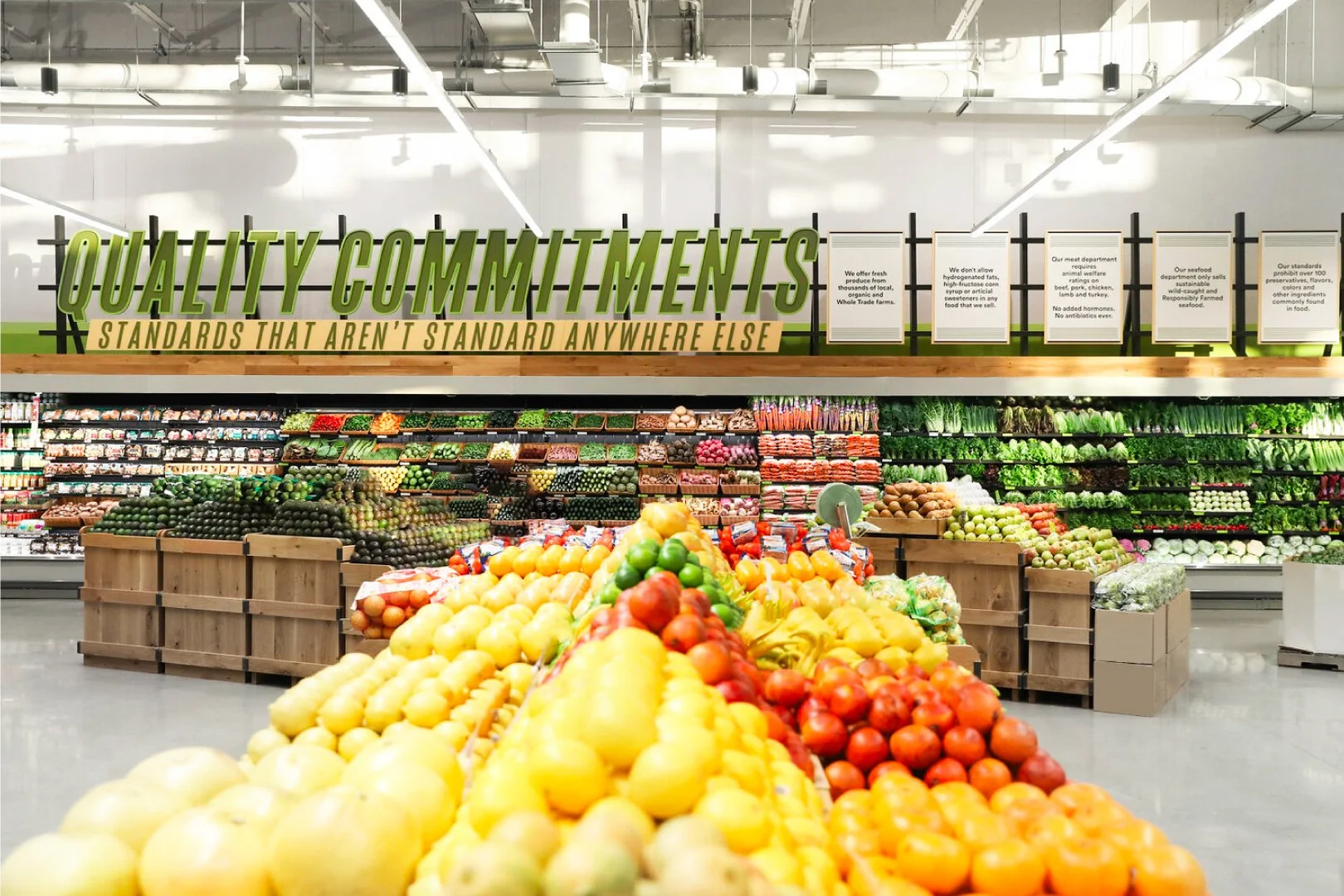
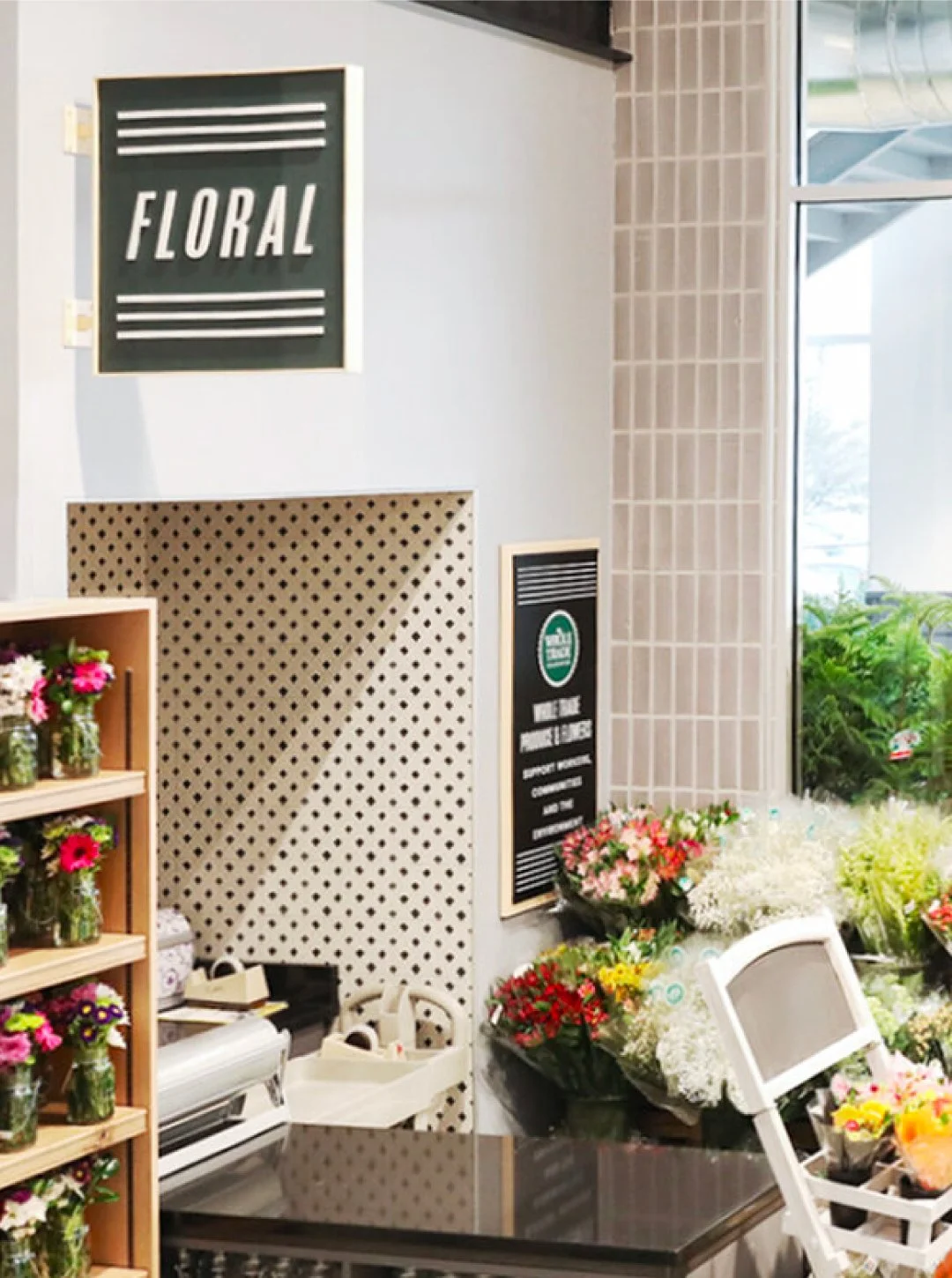
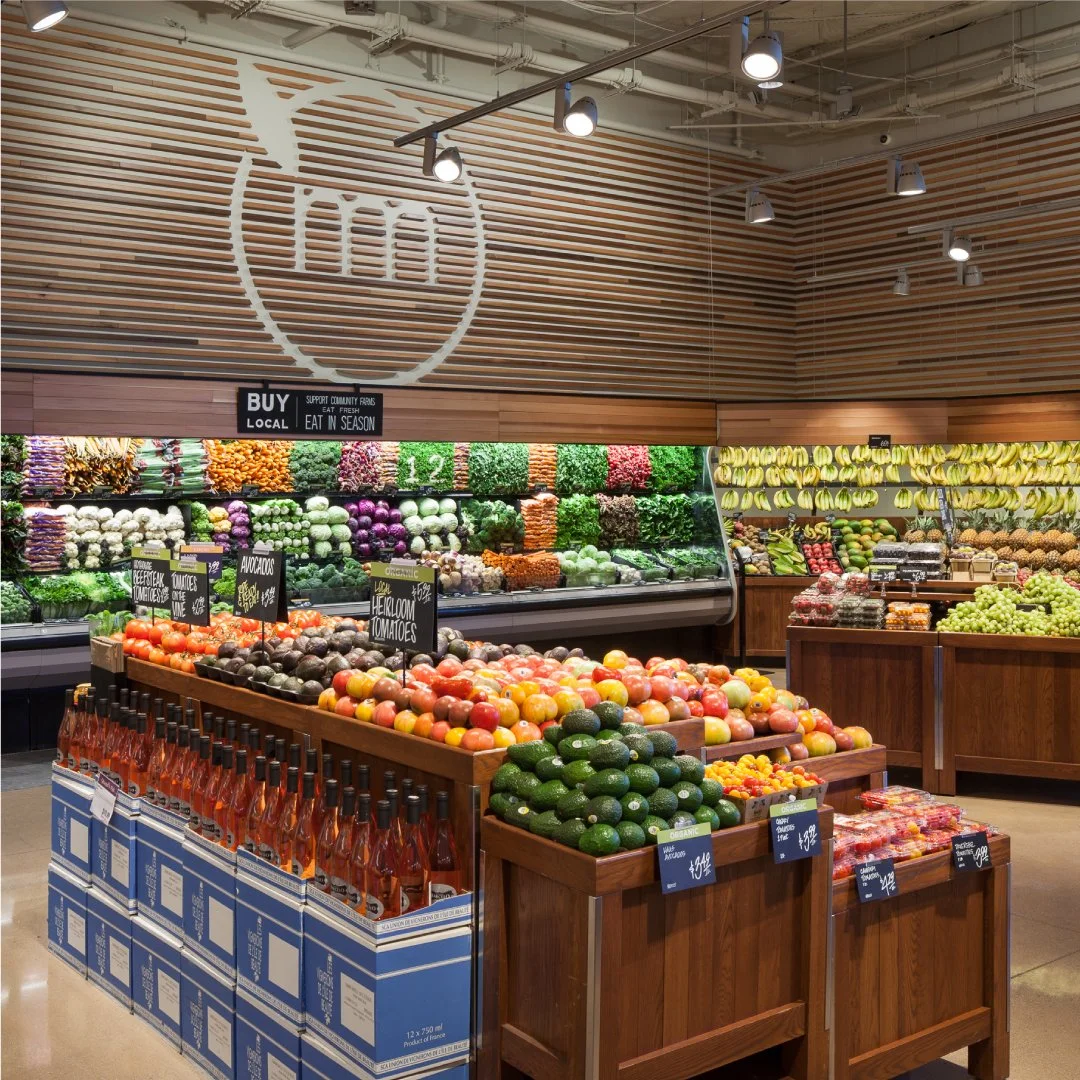
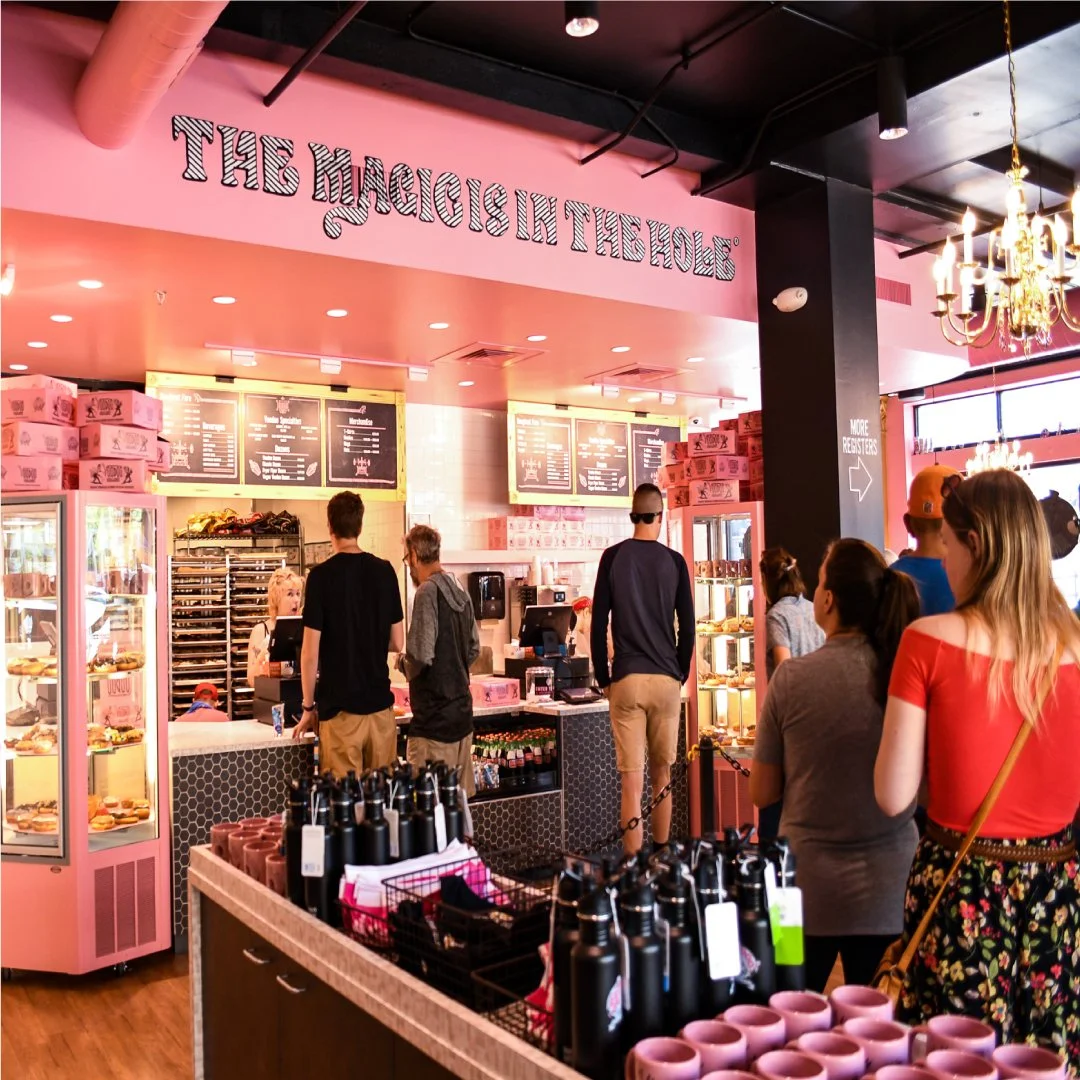
Retail environments present a unique opportunity to merge brand storytelling with spatial design. A well-designed retail space guides customers intuitively while reinforcing brand identity at every touchpoint.
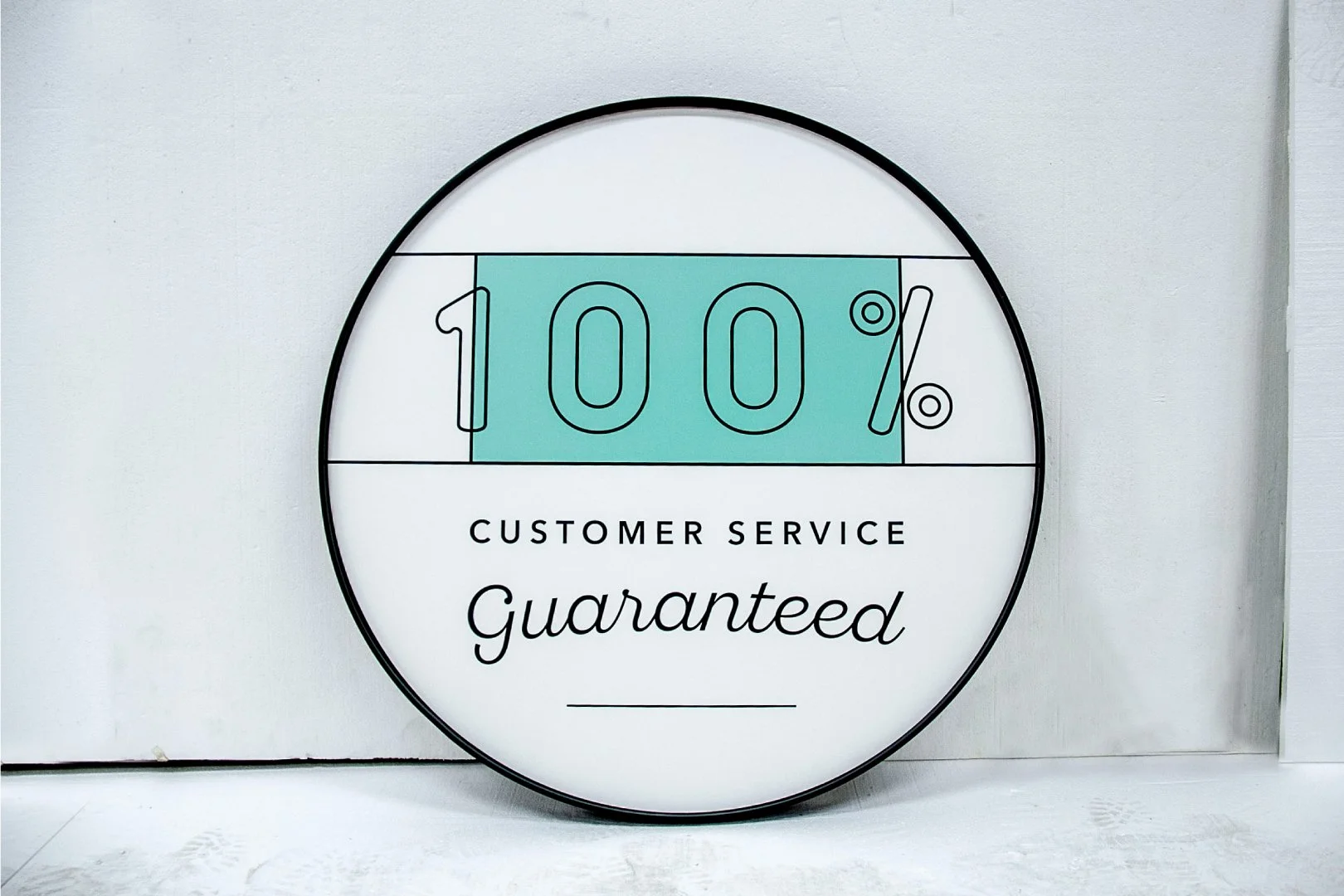
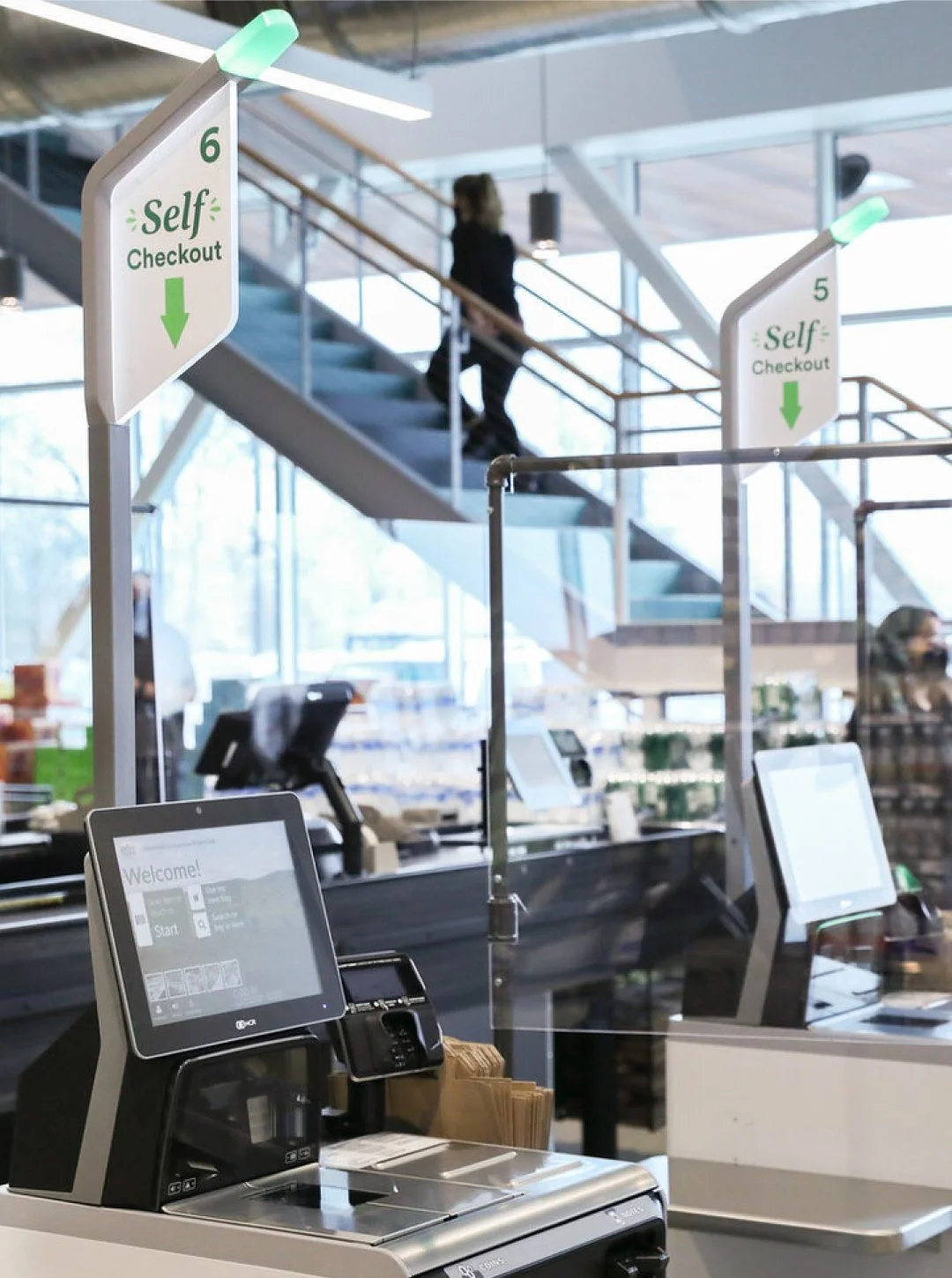
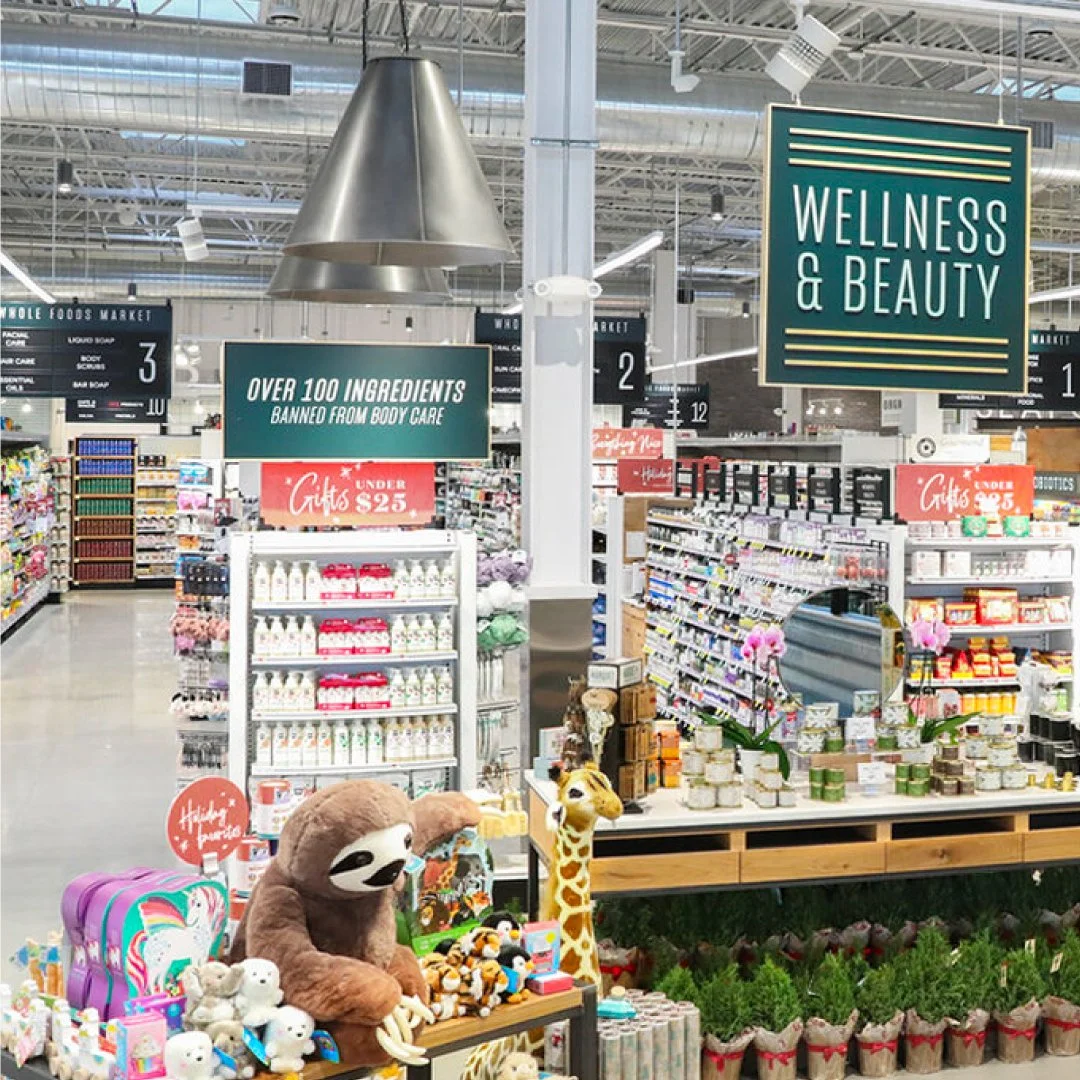
Successful retail design relies on a clear system of environmental elements including entrance moments, directional signage, promotional displays, and informational graphics. Together, these components create a cohesive visual experience that supports both navigation and brand communication.
Research & Development
|
Concept Development
|
Signage Planning
|
Presentation Development
|
Shop Drawing Development
|
Production Art
Research & Development | Concept Development | Signage Planning | Presentation Development | Shop Drawing Development | Production Art
The Strategy
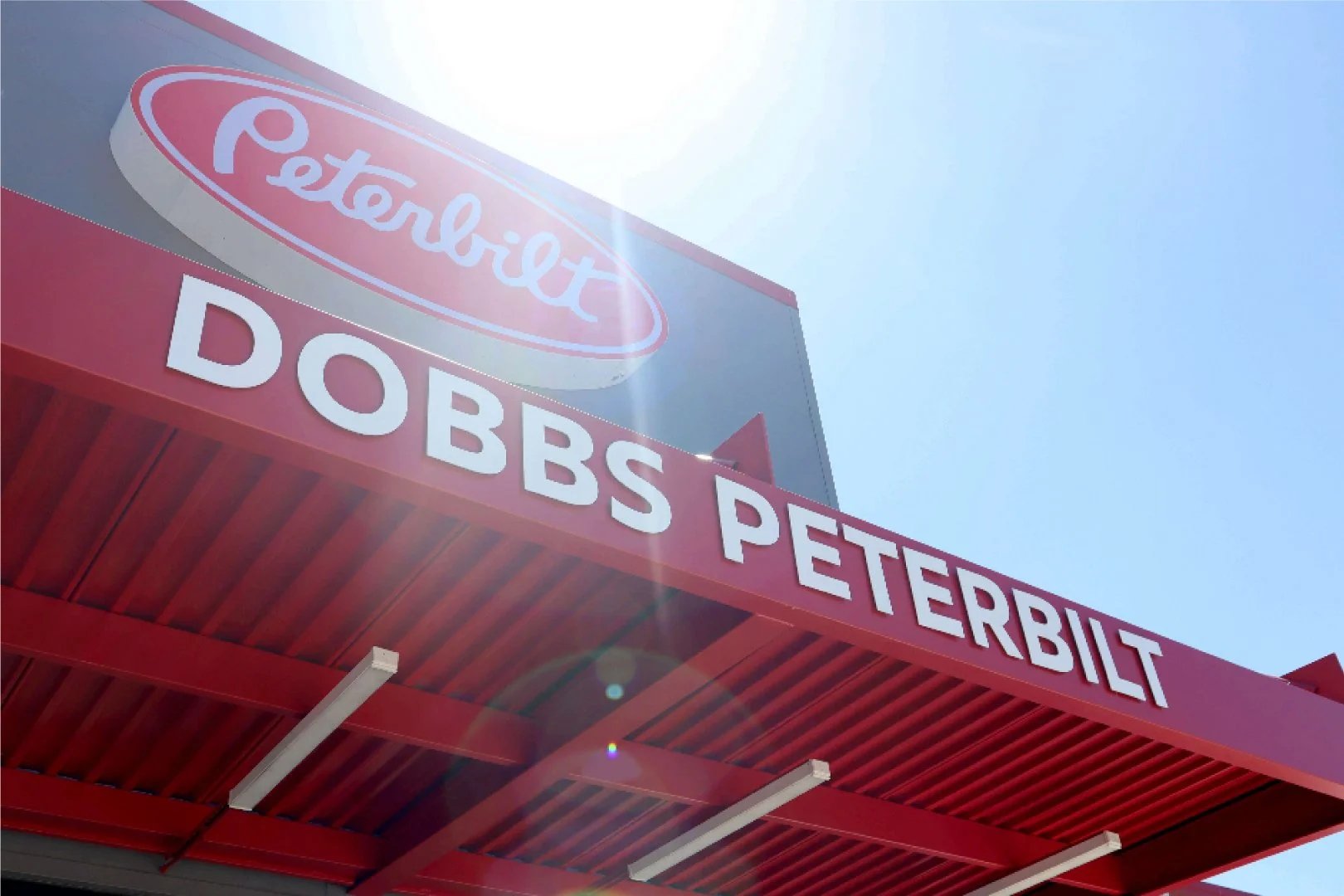
The strategy behind retail design projects begins with understanding how customers move through the space.
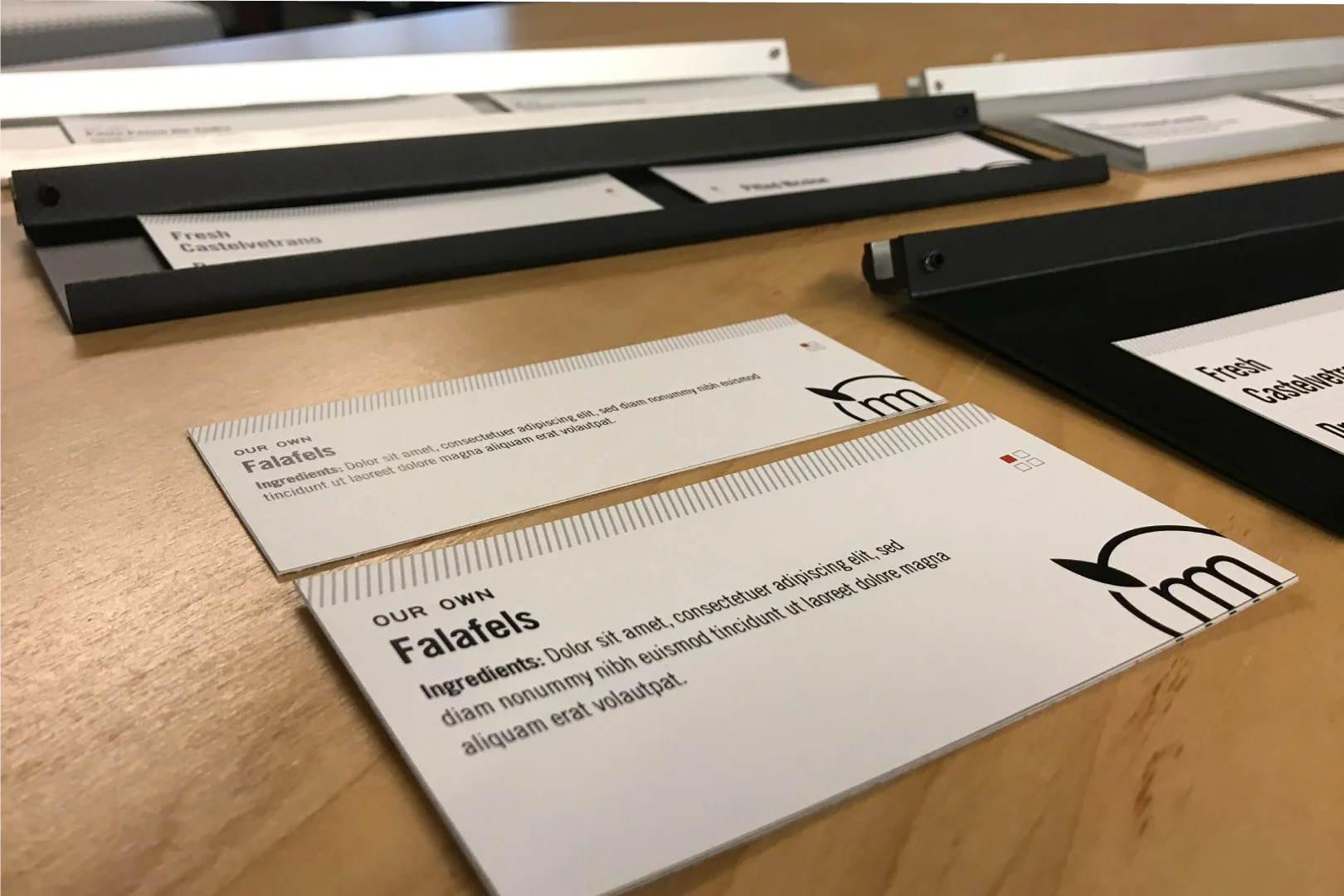
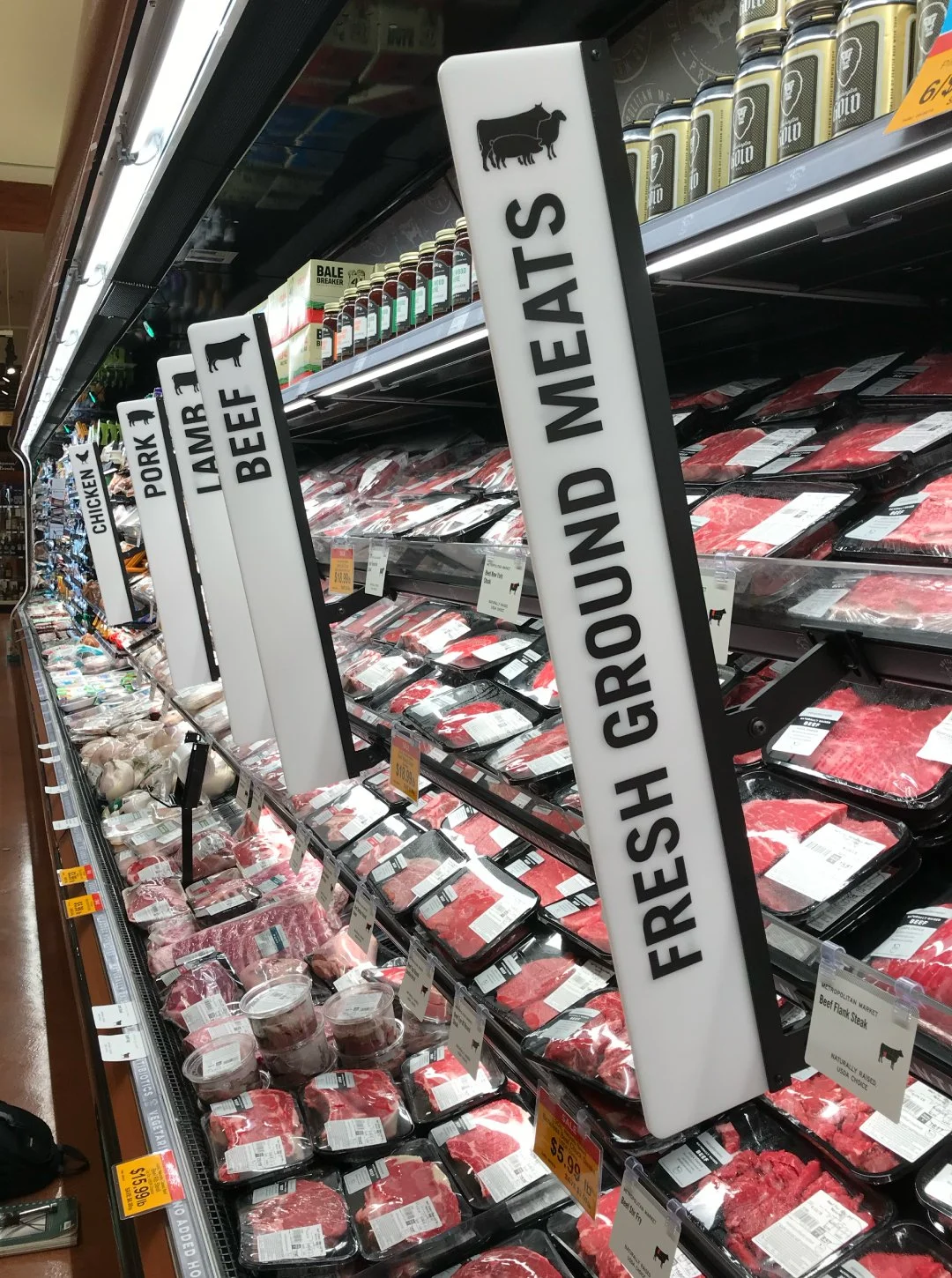
By analyzing customer flow, key focal points, and product placement, I develop signage and graphic systems that guide visitors naturally while reinforcing the brand story. Each design element is positioned intentionally to support both wayfinding and product discovery.
Collaboration with retail teams and architects ensures that the visual system integrates seamlessly with the physical environment.
The Solution
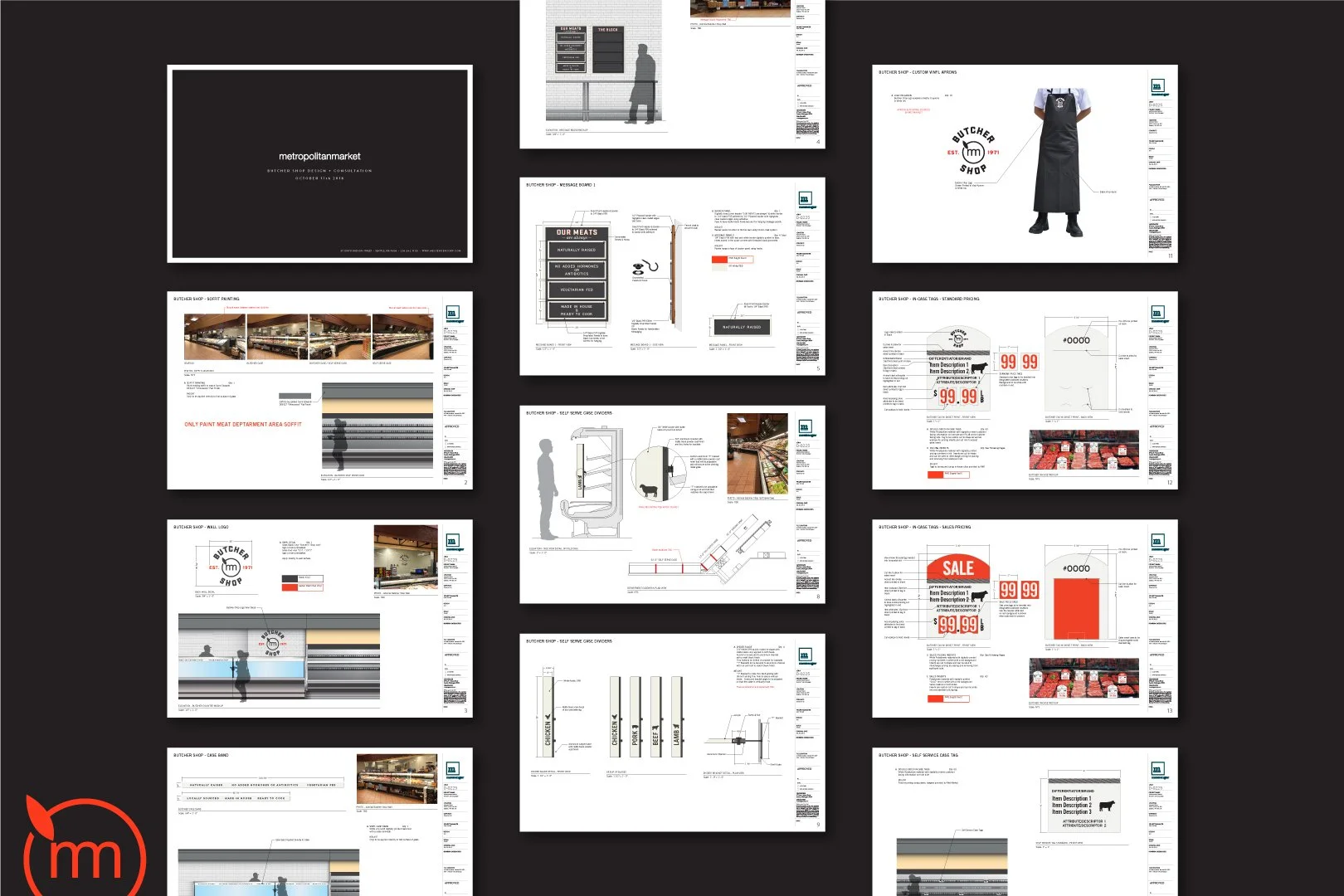
Retail signage systems were designed to support clarity, consistency, and visual impact.
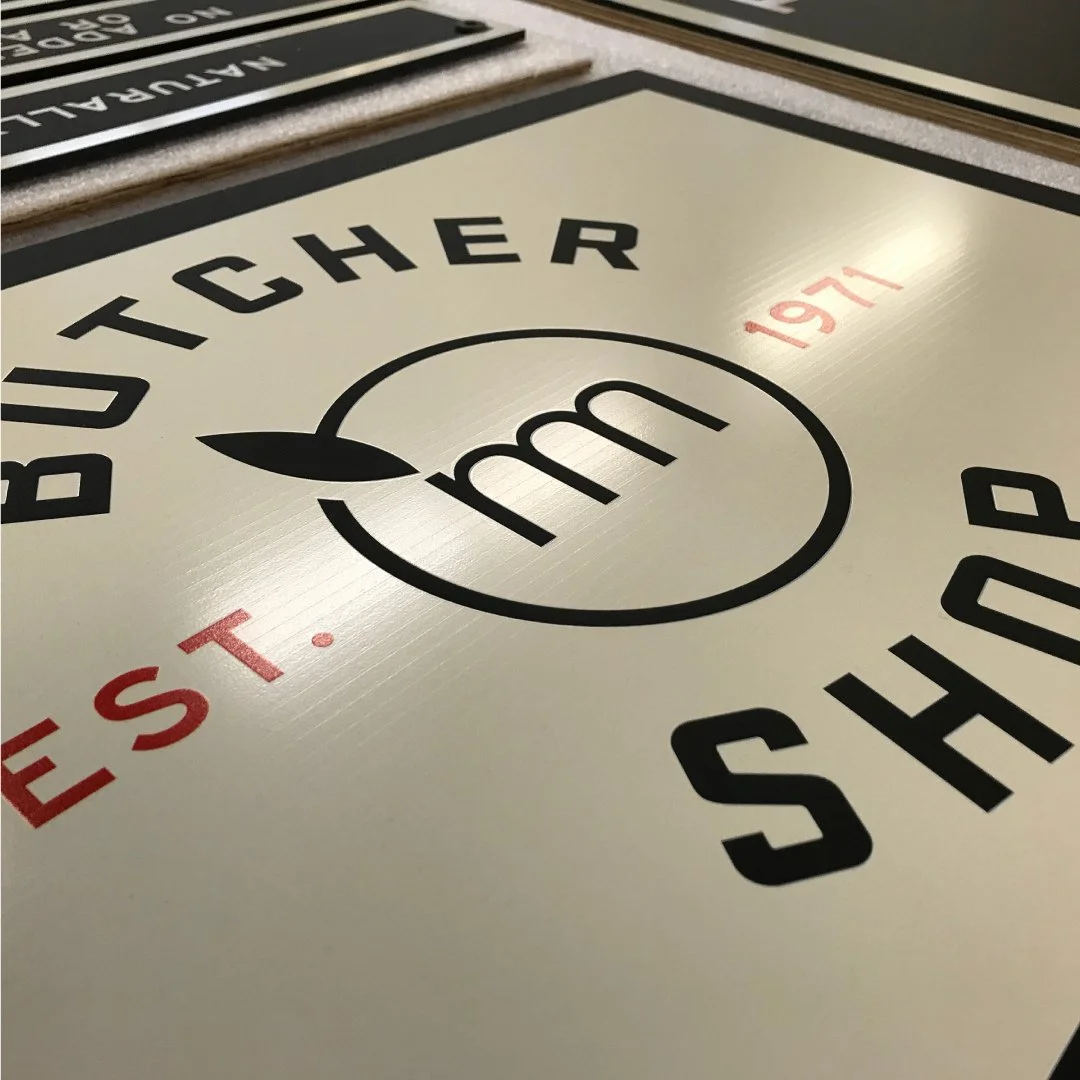
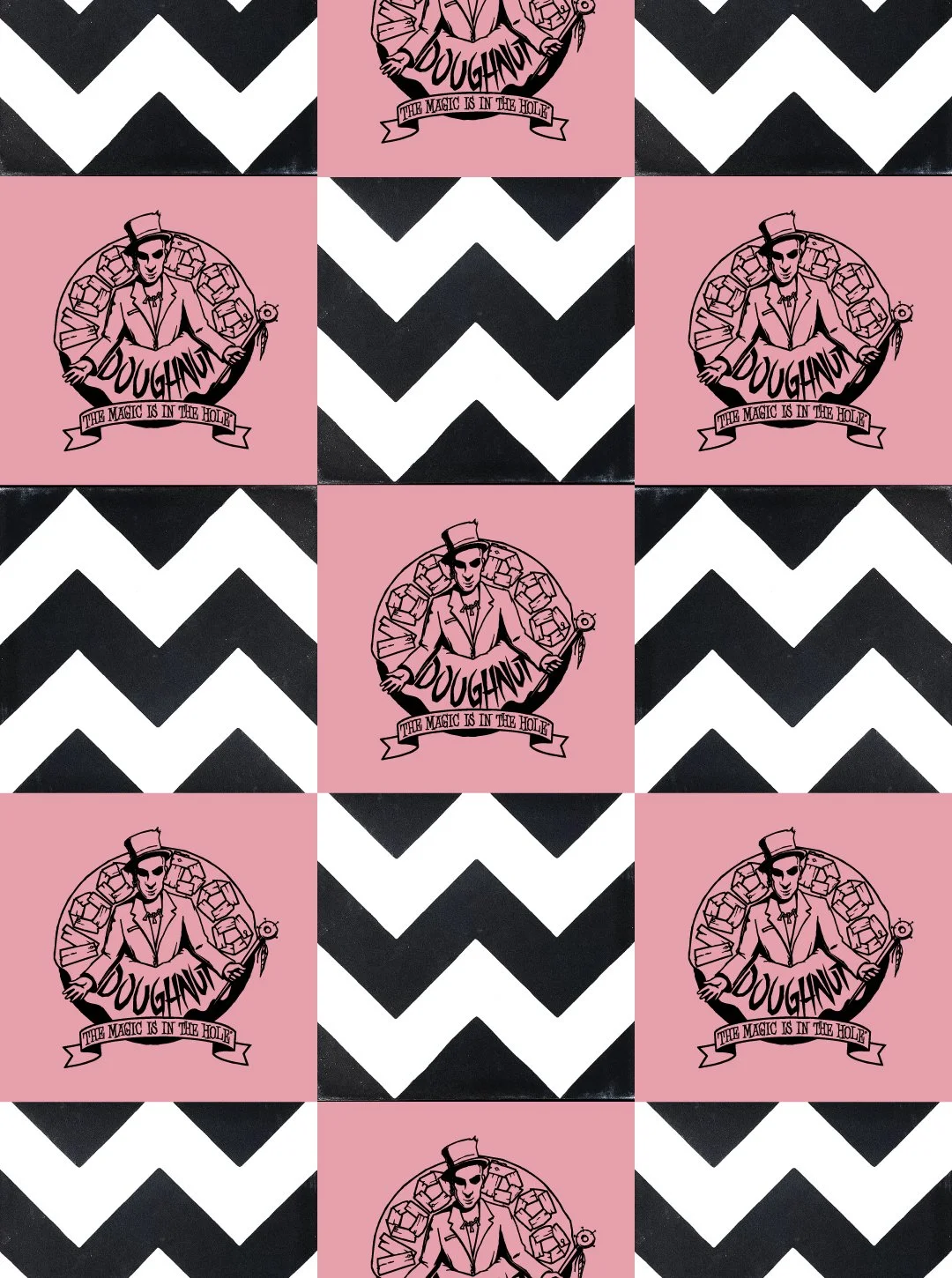
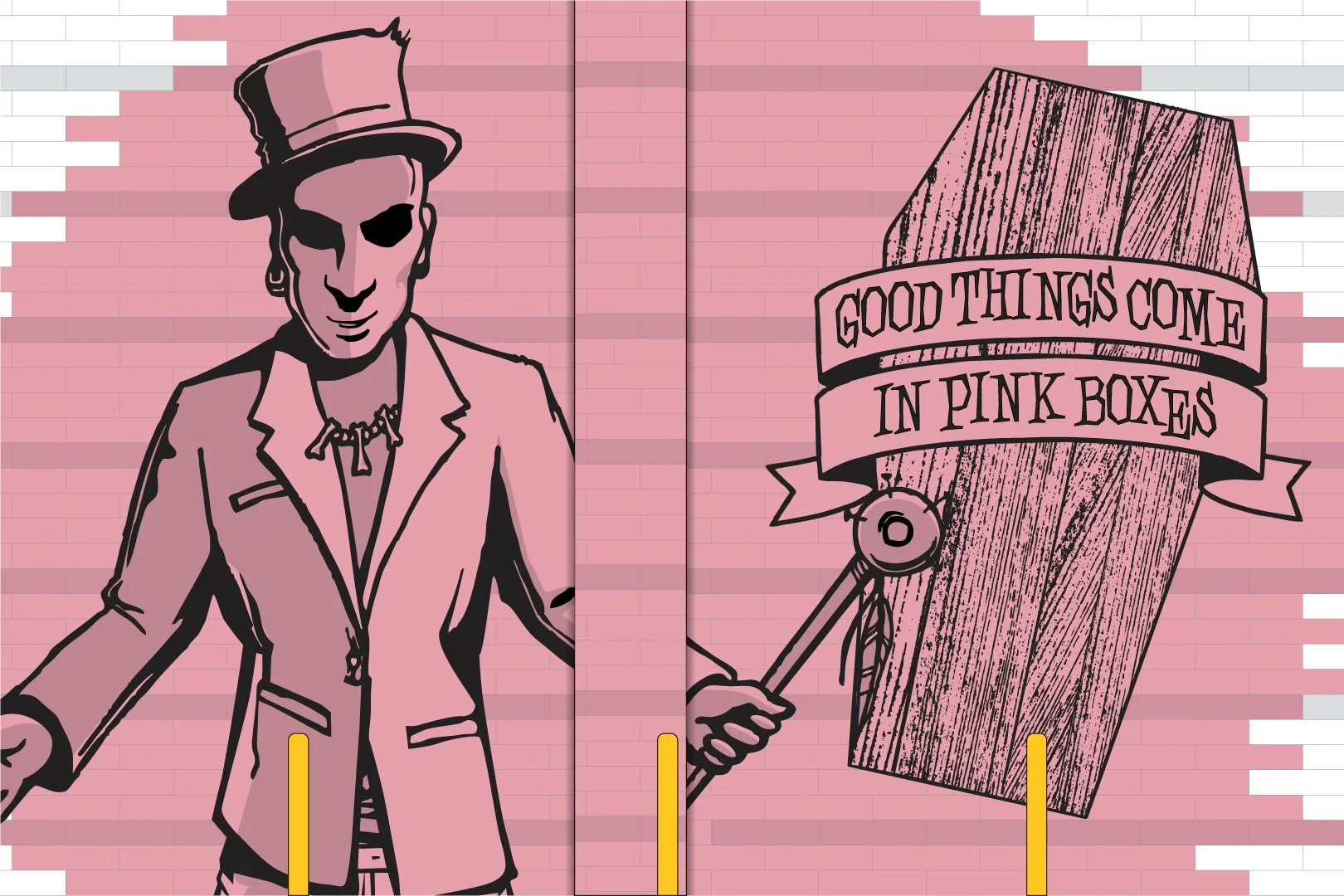
By strategically placing directional, promotional, and informational signage throughout the environment, the design enhances the customer journey while reinforcing the brand’s visual identity. Typography, color systems, and graphic elements were applied consistently across all touchpoints to create a unified experience.
The result is a retail environment that feels organized, engaging, and aligned with the brand’s overall identity.


Stadium Concessions
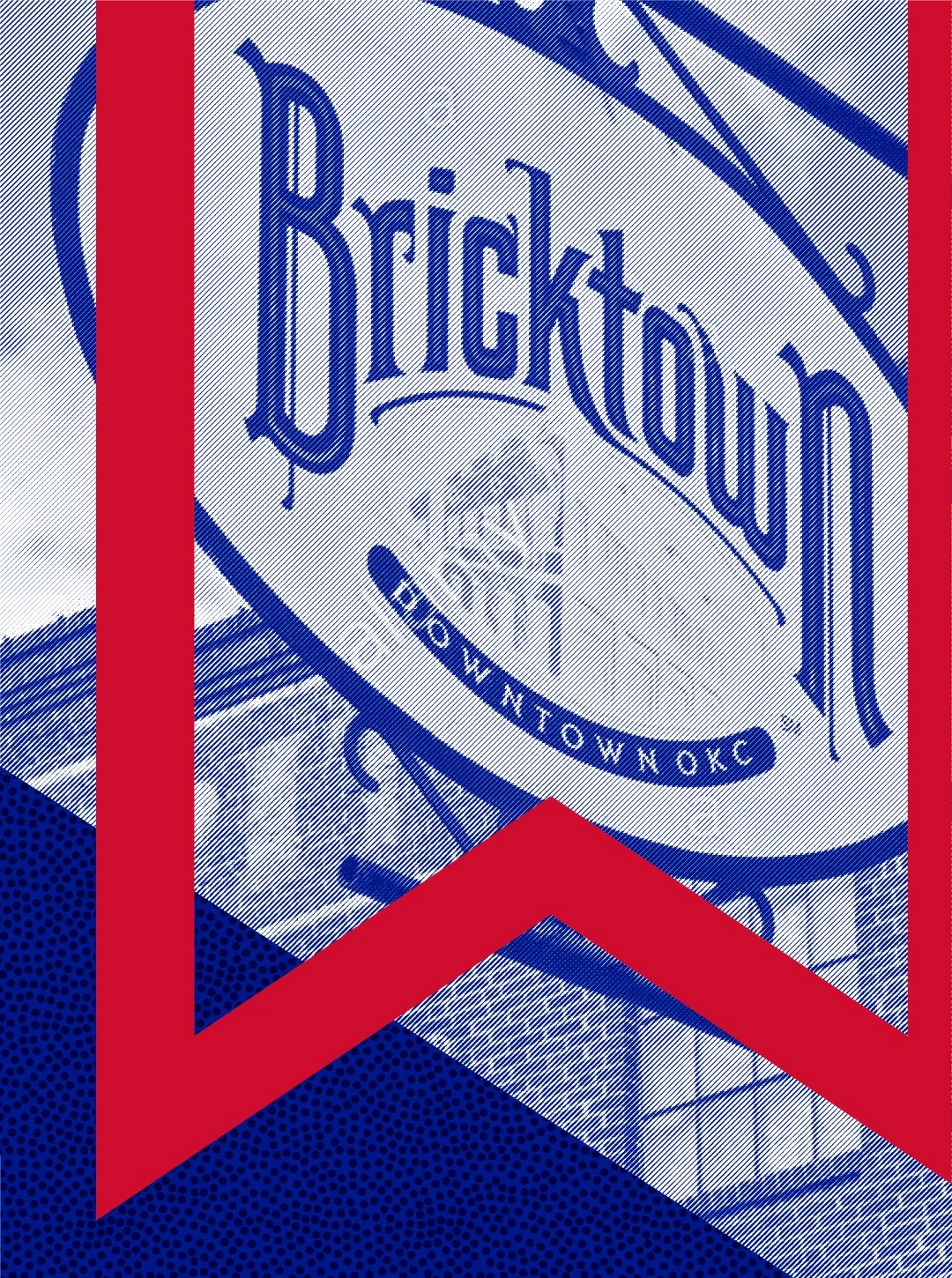
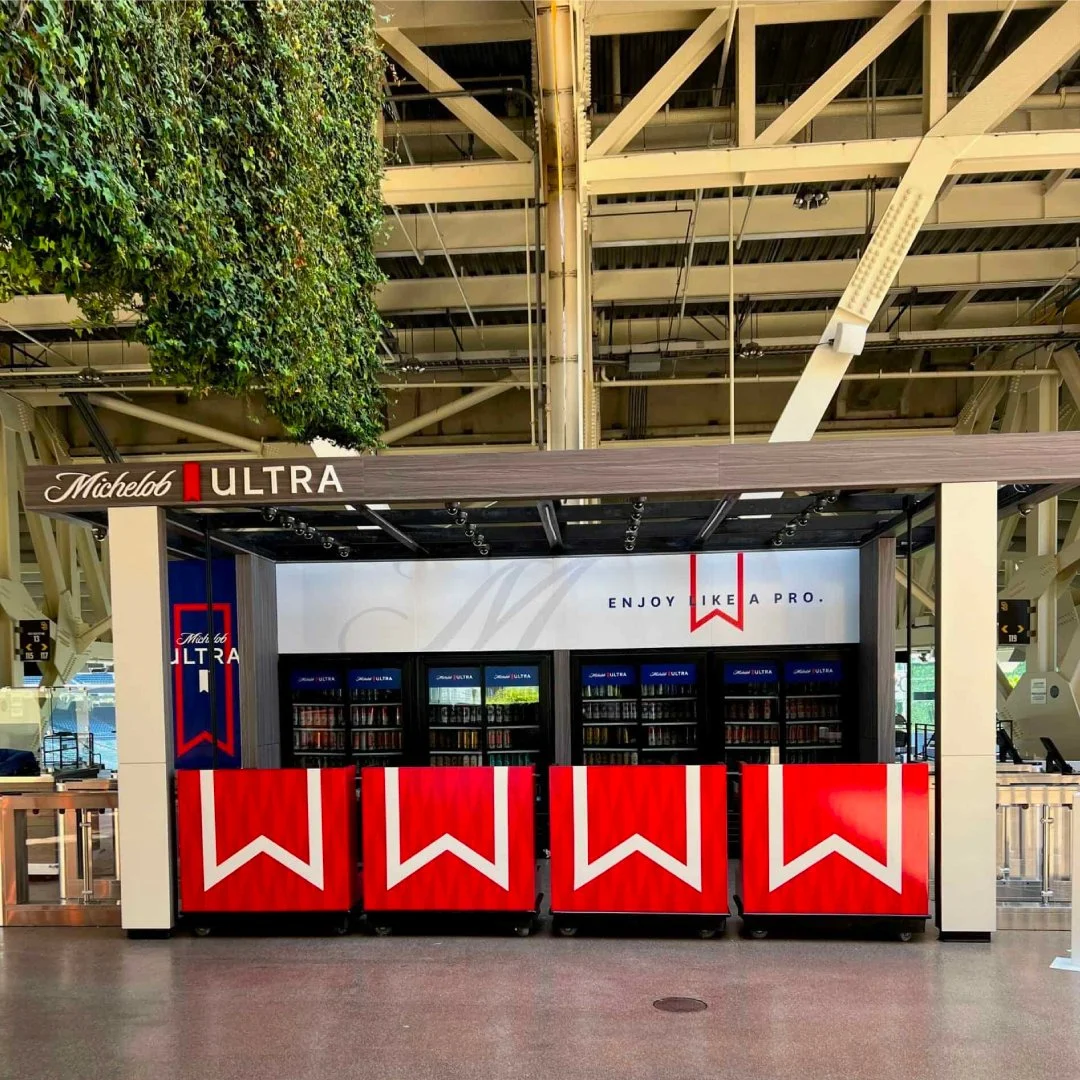
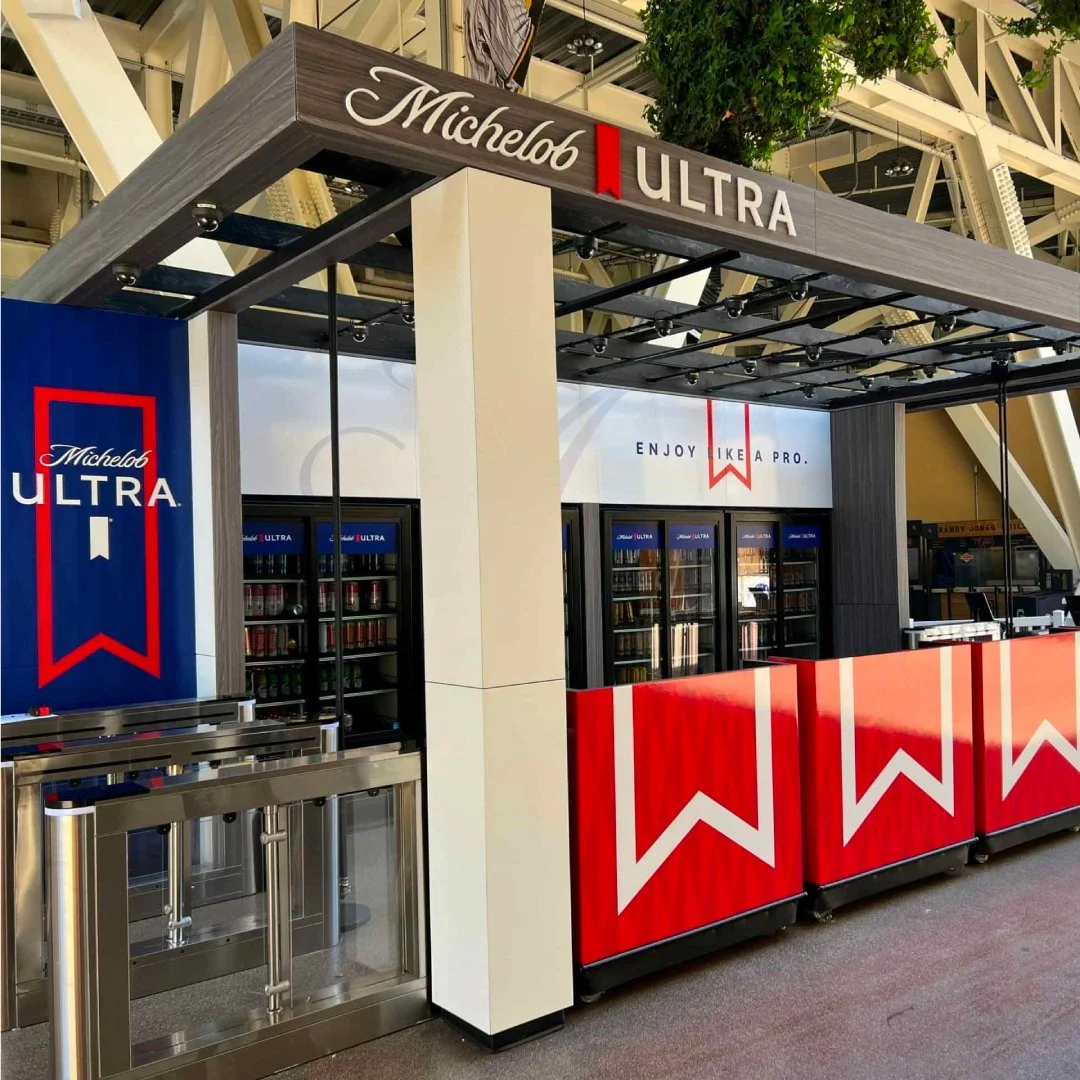
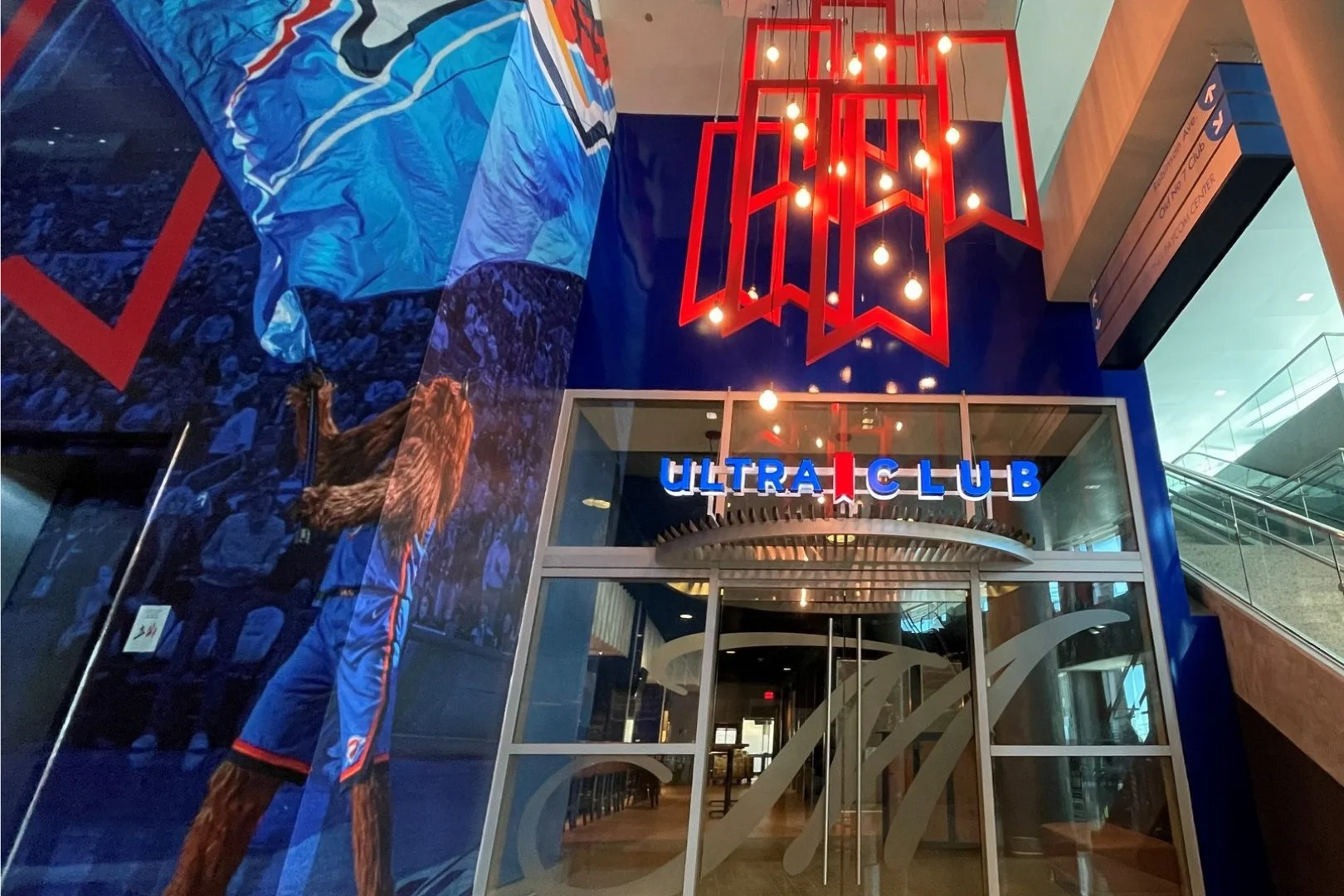
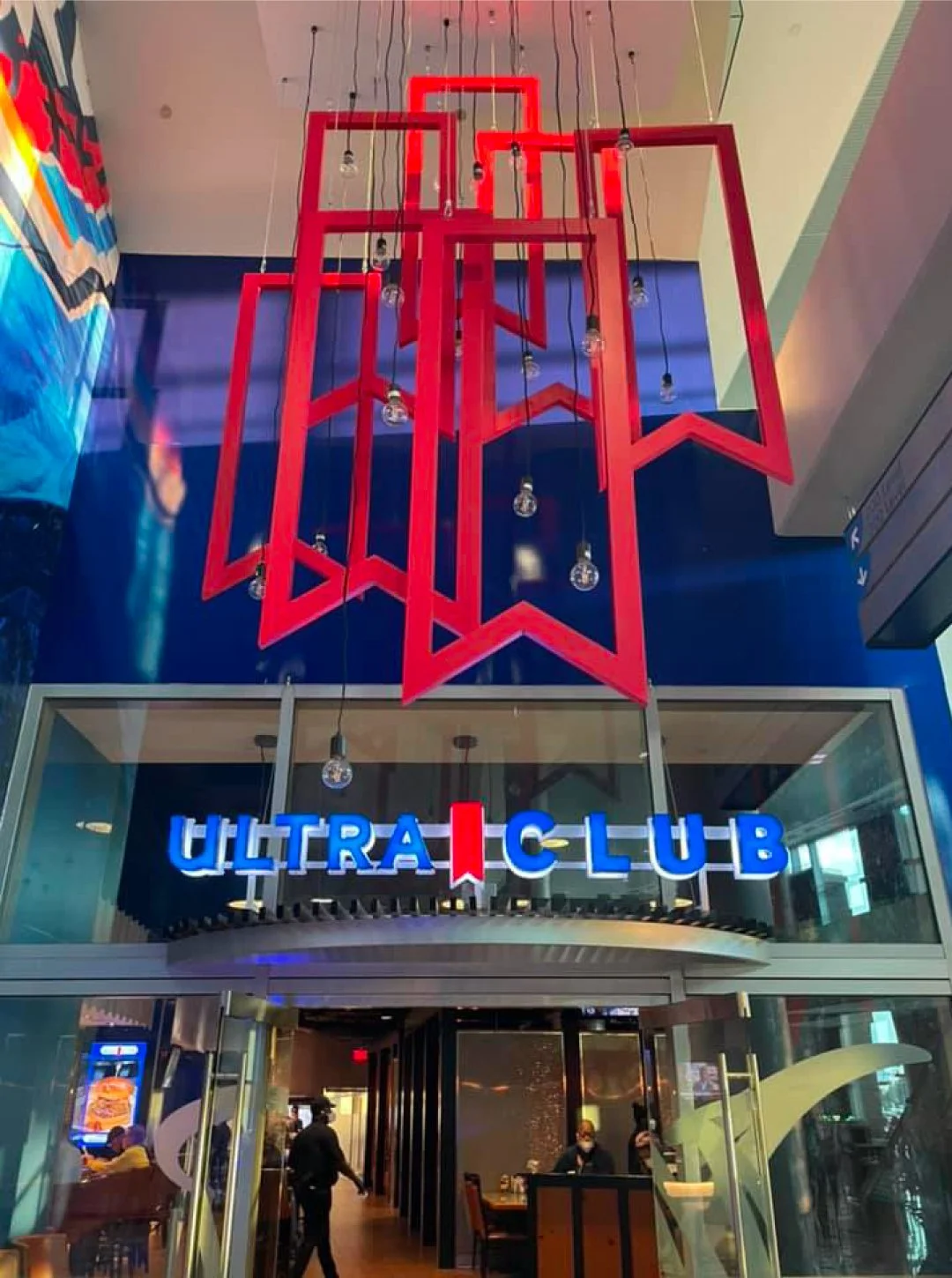
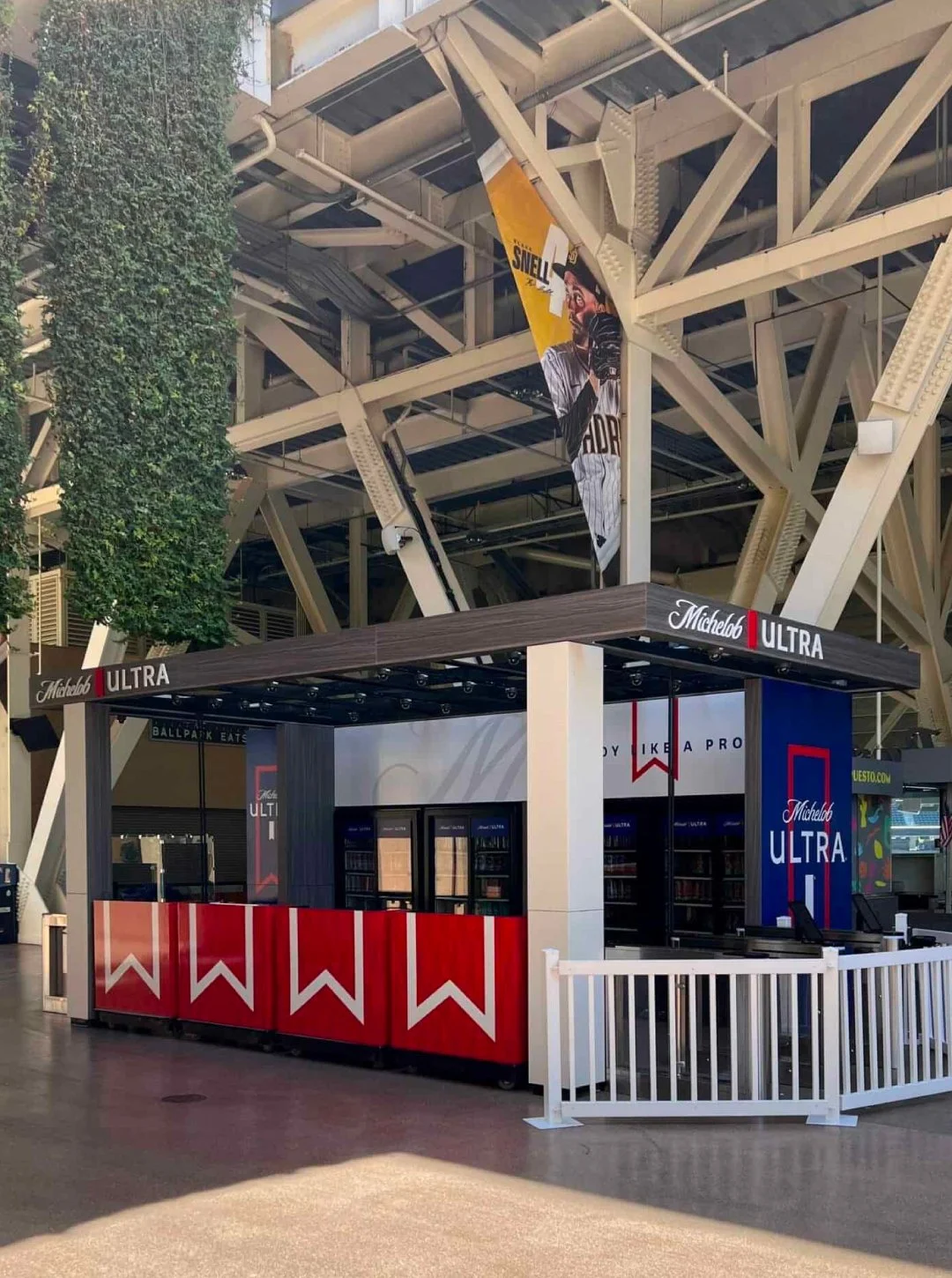
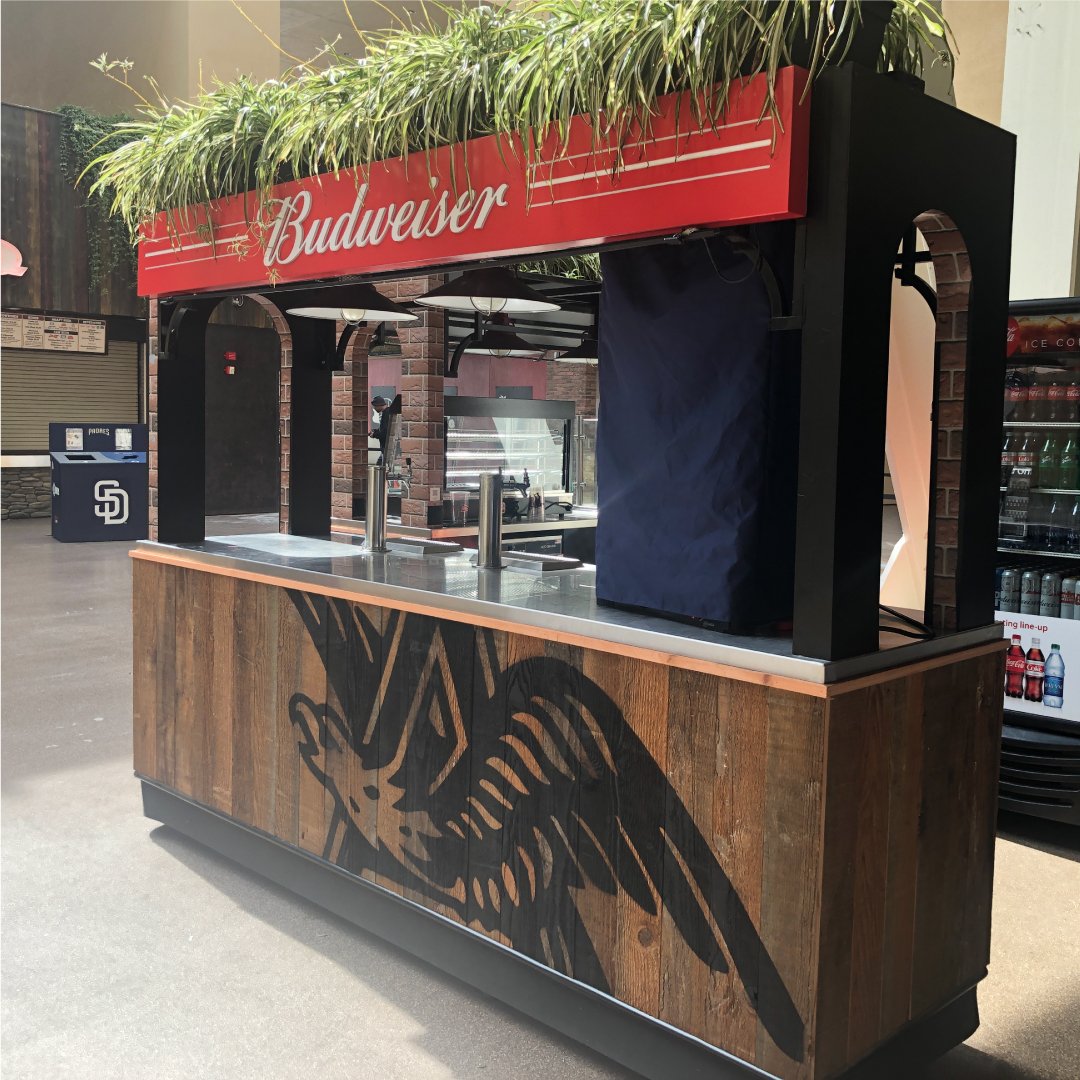
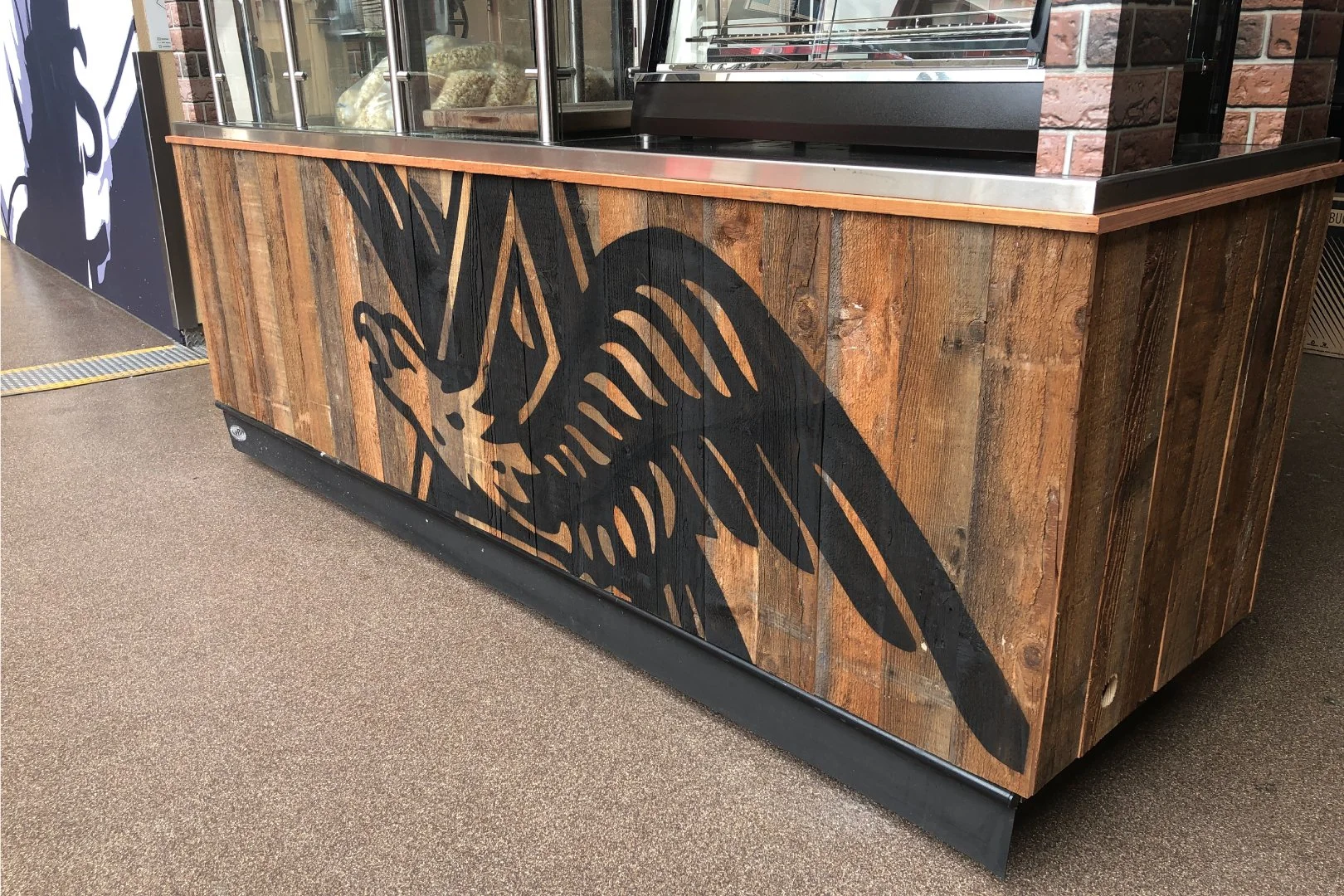
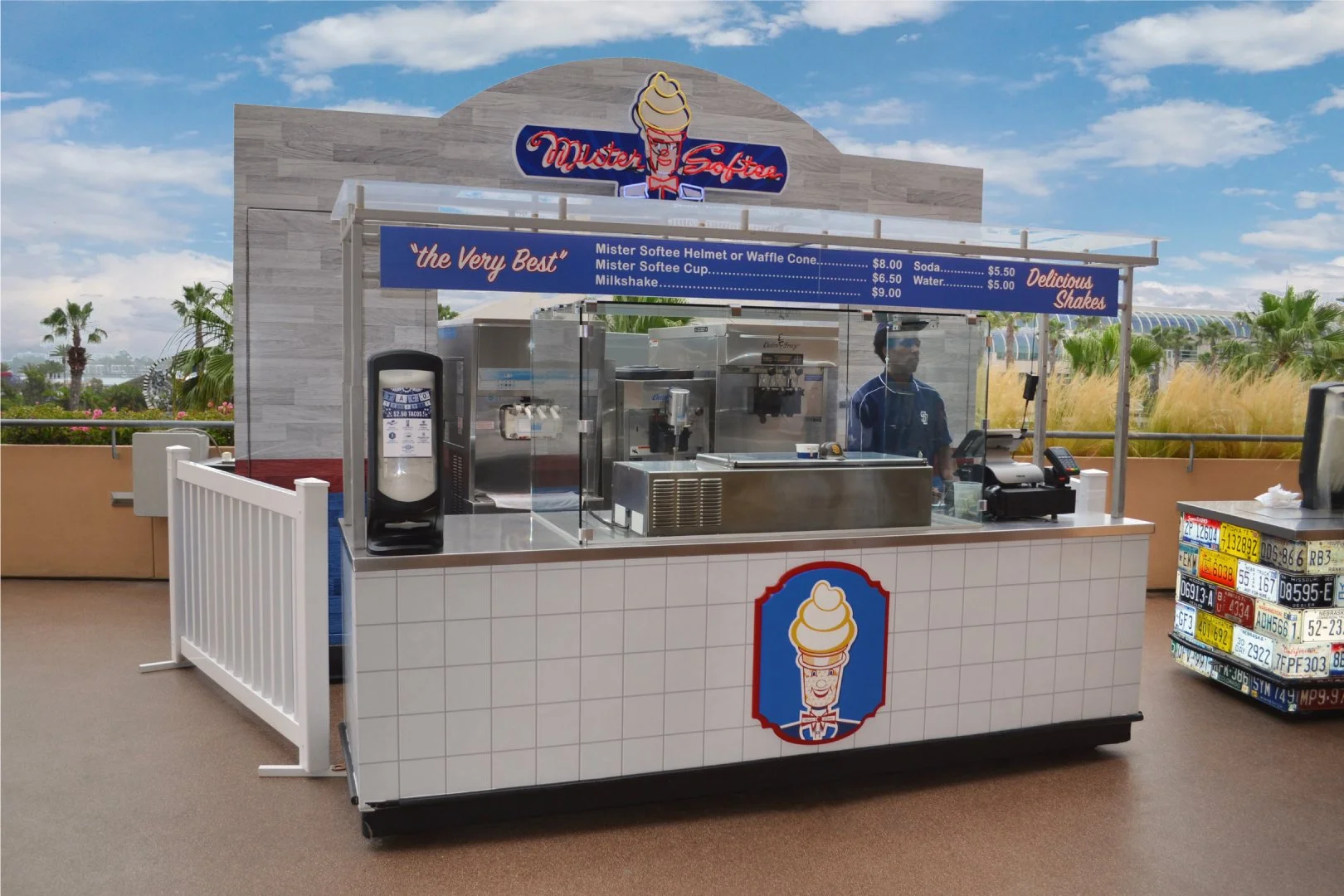
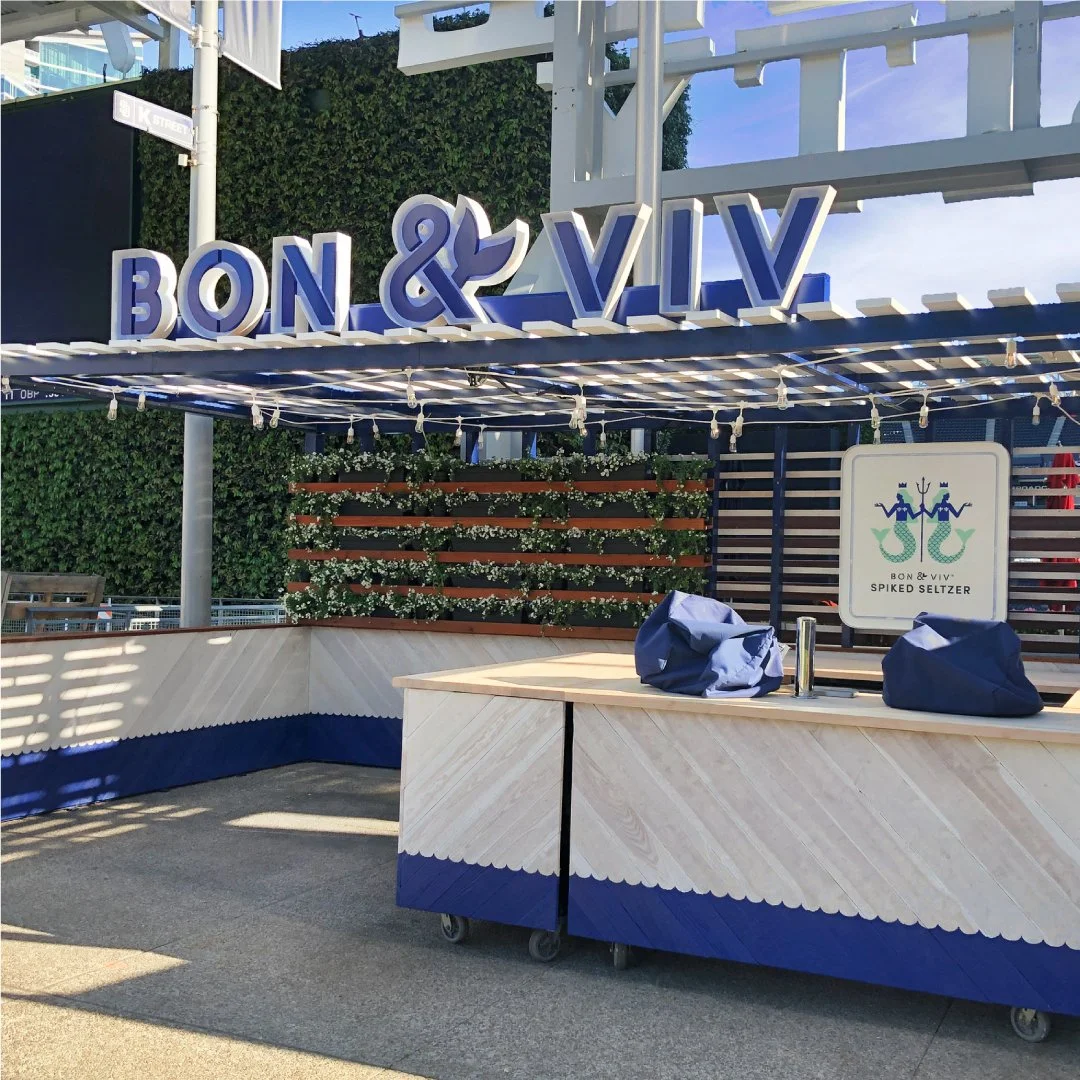
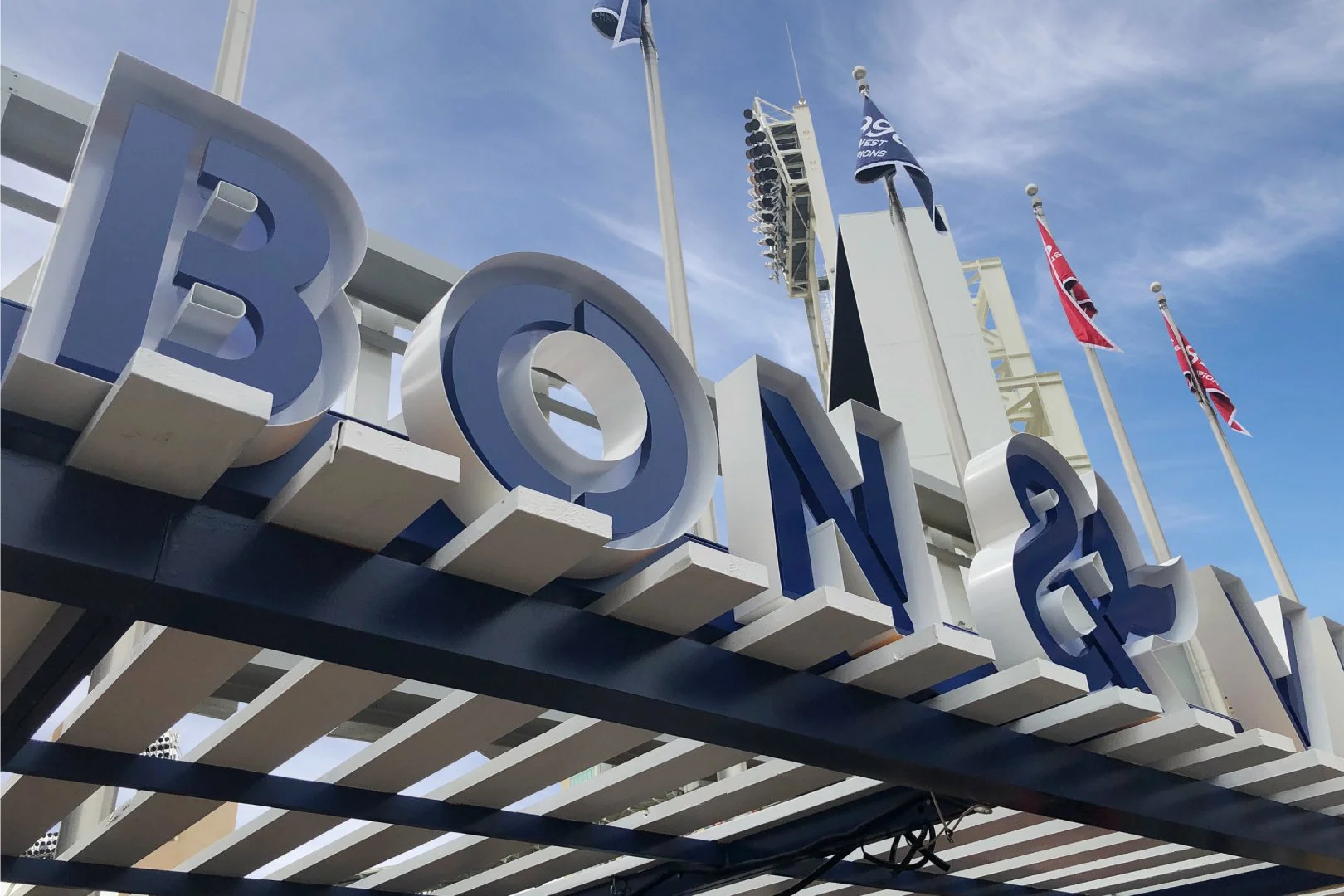
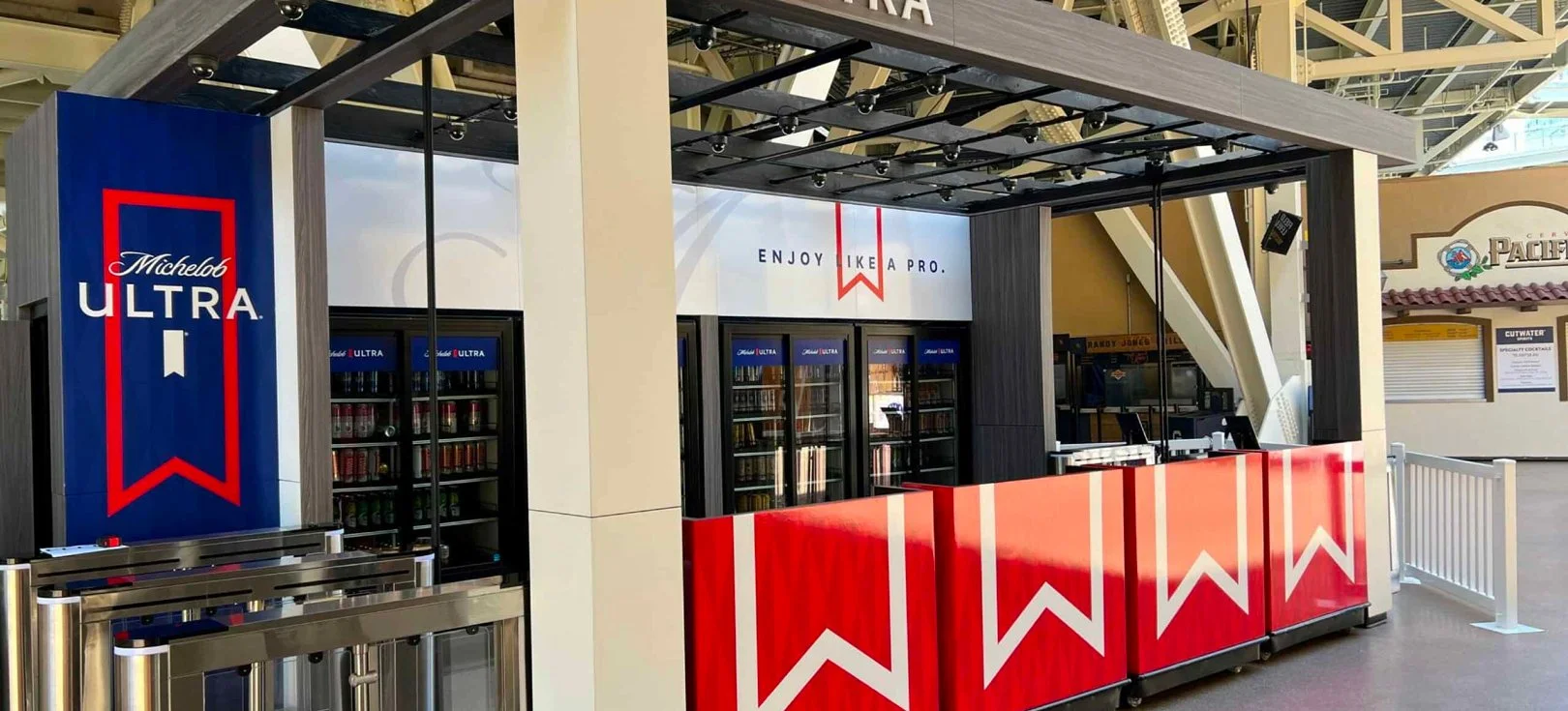
For a series of stadium concession environments, our team collaborated with venue partners and food and beverage brands to create engaging experiences for fans attending professional sporting events.
Working across MLB, NFL, and NBA venues, the goal was to design concession environments that were visually distinctive while supporting the fast-paced operational needs of stadium service.
Research & Development
|
Concept Development
|
Signage Planning
|
Presentation Development
|
Shop Drawing Development
|
Production Art
Research & Development | Concept Development | Signage Planning | Presentation Development | Shop Drawing Development | Production Art
The Challenge
Stadium environments present unique design challenges. Spaces are often compact, high-traffic, and operationally complex. Balancing visual impact with efficiency requires careful coordination between brand teams, stadium operations, and fabrication partners.
Each concept also needed to maintain brand authenticity for the food and beverage partners while fitting seamlessly within the larger stadium environment.
The Solution
To address these challenges, we developed flexible signage and environmental graphics systems designed to maximize visibility and brand presence within limited footprints.
Layouts were optimized to support efficient customer flow, while bold graphics and clear signage ensured patrons could quickly identify offerings even within crowded environments. Collaboration with fabrication teams ensured materials were durable enough to withstand the demands of stadium operations.
The result was a series of concession environments that delivered strong brand presence while maintaining operational efficiency and enhancing the overall fan experience.